Material Change of Circumstances in Ontario Explained

You may have reached a point where your current family law arrangement no longer fits your life. A parenting schedule that worked two years ago may now conflict with school, work, or a child’s needs. Child support may no longer match a parent’s income. Spousal support may need to be reviewed after a major financial shift. In Ontario family law, these situations often raise one core question: has there been a material change of circumstances?

For families in Brampton, this issue comes up often after separation or divorce. A court order or separation agreement is meant to provide stability, but it is not always meant to remain untouched forever. When important facts change in a serious and ongoing way, Ontario law may allow a support or parenting arrangement to be changed.

This guide explains, in plain English, what material change of circumstances Ontario means, when an order or agreement may potentially be changed, what evidence may be needed, and what to do if the other party does not agree. If you are dealing with a support or parenting issue, speaking with a family lawyer Brampton can help you understand the right next step.

The same phrase can work differently

Moving Forward With Confidence After a Material Change

Choose the right route

Begin the court process carefully

Build a usable record

How to Apply to Vary a Parenting or Support Order in Ontario

Changes that usually fall short

Less obvious patterns

Examples That Qualify and Changes That Usually Do Not

Spousal support

Child support

Parenting orders

How the Test Differs for Parenting Time Child Support and Spousal Support

Third, was the change unforeseeable

Second, does the change materially affect the child

First, what changed

The Legal Test Courts Apply Before Varying an Order

What Material Change of Circumstances Means in Ontario Family Law

Why the threshold exists

Ontario family-law guidance on material change

When Life Has Moved On But Your Court Order Has Not

Table of Contents


What Is a Material Change of Circumstances in Ontario?

A material change of circumstances is a legal threshold. It means there has been a significant change in the situation of a parent, child, or former spouse, and that change is serious enough that the existing order or agreement may no longer work fairly or properly.

In practical terms, the court usually looks for a change that is:

  • Important, not minor or trivial
  • Ongoing, not just temporary or short lived
  • Relevant to the issue, such as support, parenting, or a child’s needs
  • Different from what was expected when the original order or agreement was made

This does not mean every inconvenience counts. A short period of reduced work hours, an occasional scheduling conflict, or a disagreement about parenting style may not be enough. The issue is whether the change is serious enough that the legal arrangement may need to be revisited.

For many families, this becomes relevant after a separation, divorce, or support order. If you are unsure whether your situation meets the threshold, a divorce lawyer Brampton or family law professional can review the facts carefully.


Which Laws Apply in Ontario Family Law Cases?

When discussing a material change of circumstances, it is important to separate Ontario law from federal Canadian law.


Ontario Family Law Act, Ontario legislation

Ontario family law matters may involve the Family Law Act, which is Ontario legislation. It often applies to issues such as spousal support between unmarried spouses, enforcement of domestic contracts, and certain support claims within Ontario. Ontario’s legislation is available through Ontario.ca and Ontario’s e-Laws website.

Ontario parenting matters may also involve the Children’s Law Reform Act, especially where the parties were not married or where parenting issues are determined under provincial legislation. Ontario court and legislative resources are important when reviewing whether a parenting order Ontario may be varied.


Divorce Act, federal Canadian legislation

The Divorce Act is federal Canadian legislation. It applies when married spouses are seeking divorce, and it also addresses parenting orders, child support, and spousal support in divorce cases. The current federal legislation can be reviewed through the Department of Justice Canada Divorce Act page.


Federal Child Support Guidelines

Child support is often calculated under the Federal Child Support Guidelines, which are also federal law. They help determine table support and address variation issues where income or parenting time changes. The Guidelines can be reviewed here: Federal Child Support Guidelines.

A diagram outlining the Supreme Court of Canada test for variation in family law cases.

The law that applies depends on your exact situation. In Brampton family law cases, a support or parenting issue may be dealt with in the Ontario Court of Justice or the Superior Court of Justice, including matters heard at the Brampton Courthouse, 7755 Hurontario Street.


What Changes May Qualify?

There is no single list that covers every case, but some changes appear often in Ontario family law variation proceedings.


Job loss or major income changes

One of the most common examples is a major change in income. This may include:

  • job loss
  • layoff
  • long term illness affecting work
  • disability
  • significant reduction in hours
  • major increase in income
  • retirement, in some cases
  • business income changes

A small or temporary dip in income may not be enough. Courts usually want to see that the income change is real, meaningful, and not just a short term fluctuation.

This can be especially important in Brampton where many families face changing work schedules, self employment income issues, or shifting household costs. If your support amount no longer reflects reality, legal advice from a family lawyer Brampton may help you decide whether a motion to change or another process is appropriate.

family court motion hearing


Child support changes

A change in income can directly affect child support. Child support may also change when:

  • a child is no longer entitled to support
  • parenting time changes significantly
  • a child begins living primarily with a different parent
  • special or extraordinary expenses change
  • there is a major change in the number of children eligible for support

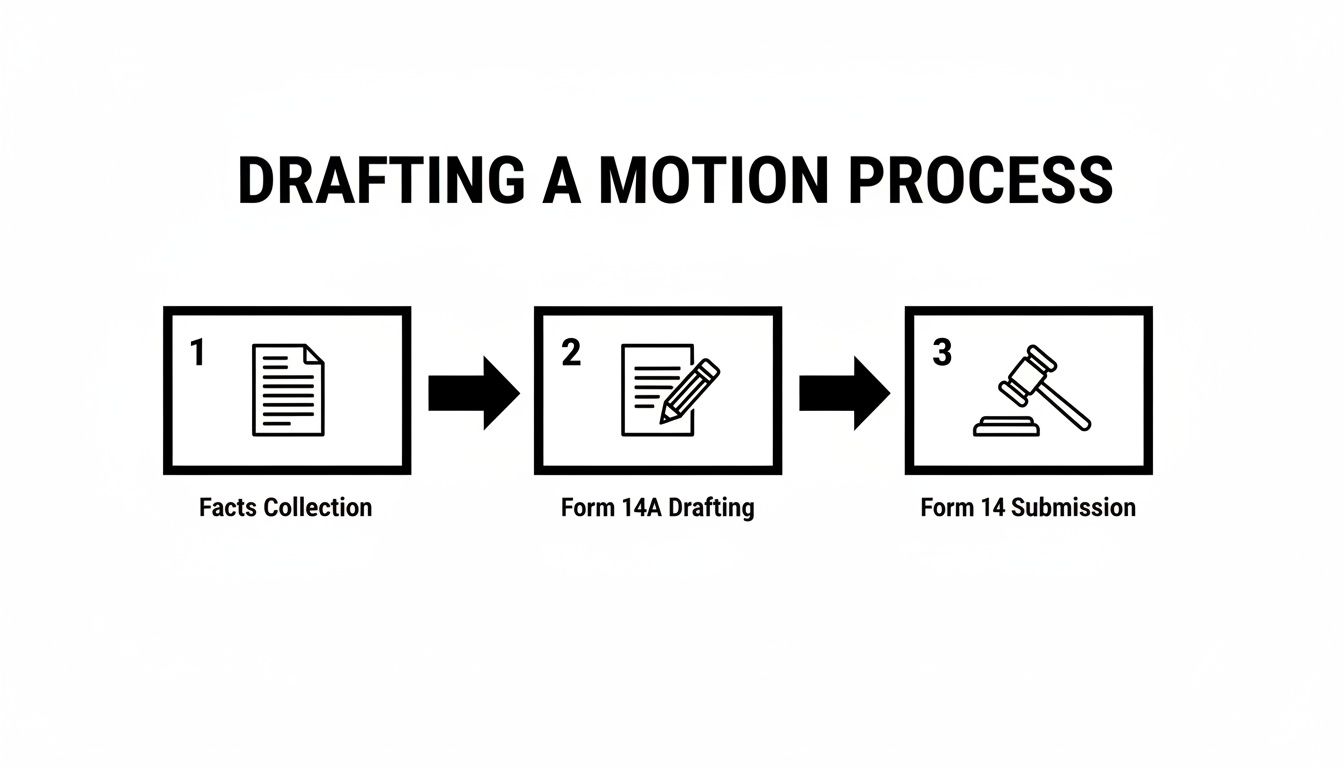
Under section 14 of the Federal Child Support Guidelines, a change that would result in a different child support order may qualify in the right case.

For example, if one parent in Brampton loses a well paid job and remains unemployed or underemployed for a meaningful period, the existing child support order may no longer reflect actual income. On the other hand, if income rises substantially, support may increase.


Spousal support changes

Spousal support may also be changed where there has been a material change of circumstances. Common examples include:

  • a major increase or decrease in the payor’s income
  • a significant change in the recipient’s financial needs
  • illness or disability
  • retirement
  • the end of child support where child support had been prioritized before spousal support
  • a change that was not anticipated when the original order was made

Ontario’s Family Law Act specifically recognizes some situations in which support may need to be revisited. Whether a spousal support order can be changed depends heavily on the wording of the original order or agreement, the legal basis for support, and whether the change is substantial and continuing.


Parenting arrangement changes

A flow chart explaining the four legal tests courts apply before deciding to vary an existing order.

A parenting time arrangement may need to be changed if the child’s best interests are affected by a major new reality. Examples may include:

  • one parent moving farther away
  • repeated failure of the schedule in practice
  • serious communication breakdown between parents
  • a major change in a parent’s work schedule
  • safety concerns
  • a child’s age and developmental needs changing over time
  • a parent taking on much more or much less actual parenting time than the order states

In Ontario, a parenting order Ontario will not usually be changed just because one parent prefers a different arrangement. There must be a meaningful change affecting the child or the child’s best interests.

If a family in Brampton is already following a different parenting routine from what the court order says, it may be wise to get legal advice before the conflict grows or one parent tries to strictly enforce outdated terms.


Changes in a child’s needs

Children grow, routines change, and some needs become more complex over time. A material change may arise where there is a serious shift in a child’s:

  • educational needs
  • medical needs
  • counselling or therapy needs
  • disability related needs
  • extracurricular commitments, if they significantly affect parenting or expense sharing
  • emotional or developmental needs

A change in a child’s needs is often central to both parenting and support decisions. Courts focus on whether the current arrangement still works for the child now, not just whether it worked in the past.


When a Separation Agreement or Court Order May Be Changed

Some families have a court order. Others have a negotiated domestic contract, such as a separation agreement. In either case, a major change may create grounds to review or change the arrangement.


Court orders

Ontario family-law continuing legal education materials

If there is already a court order dealing with parenting, child support, or spousal support, a party may need to bring a motion to change or another variation process. The court will usually want to know:

  • what the old order says
  • what has changed since it was made
  • why the change is material
  • what new order is being requested


Separation agreements

A separation agreement can also sometimes be changed, but the process depends on the wording of the agreement and the issue involved. Some agreements contain review clauses. Others require negotiation, mediation, or court action if one party refuses to cooperate.

Even where parties signed an agreement willingly, a later material change may justify a fresh look at support or parenting terms. That does not mean the whole agreement automatically disappears. Usually, the focus is on the specific term that no longer fits the family’s actual circumstances.


What Evidence May Be Needed

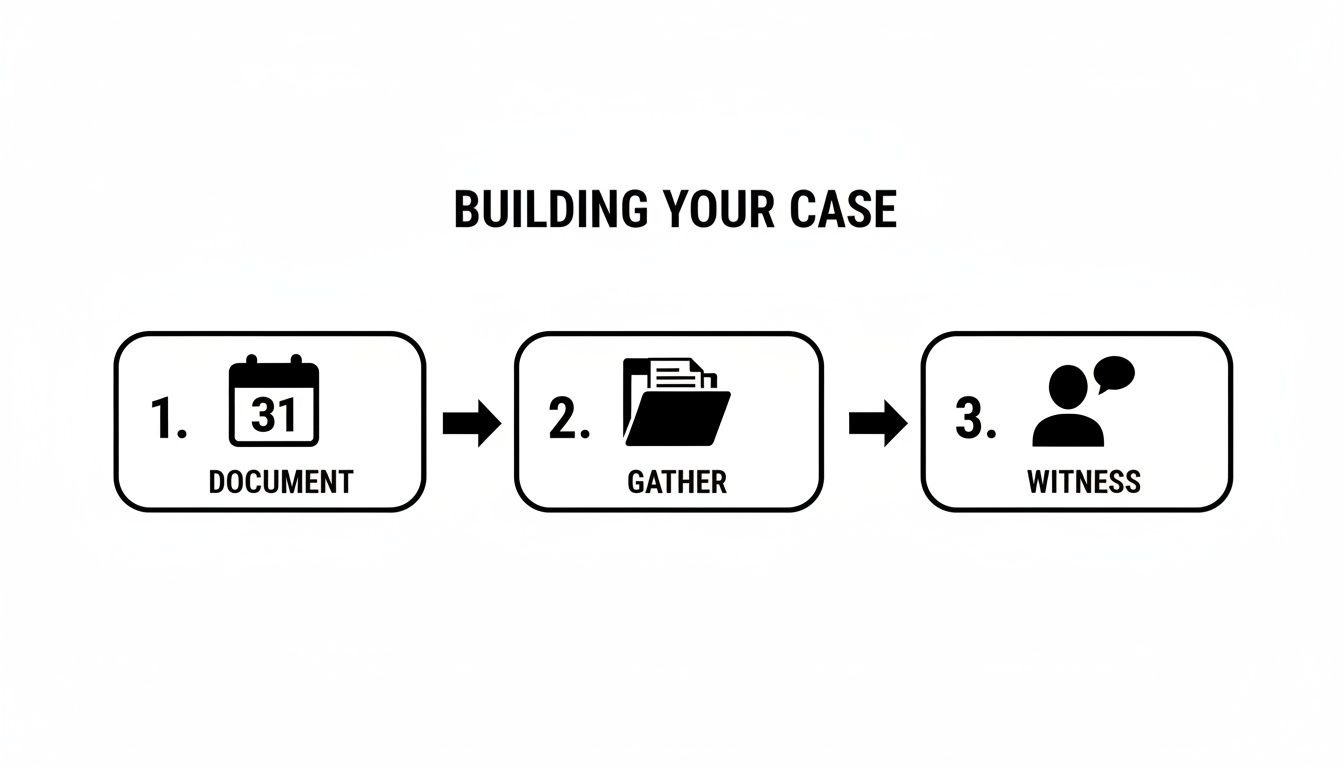
Strong evidence matters. Courts do not change support or parenting arrangements just because someone says life is harder now. The party asking for change usually needs reliable proof.

Useful evidence may include:

  • income tax returns and notices of assessment
  • recent pay stubs
  • employment letters
  • records of job loss or medical leave
  • bank statements or business records, where relevant
  • calendars showing actual parenting time
  • text messages or emails showing a long term schedule change
  • school records
  • medical or counselling records, where appropriate
  • receipts and expense records for children’s needs
  • copies of the original order or agreement

The goal is to show what changed, when it changed, and why it matters legally.

If your case may proceed in Brampton, clear documentation can make a major difference when preparing materials for the Brampton Courthouse at 7755 Hurontario Street.


What Happens If the Other Party Does Not Agree

Disagreement is common. One party may believe the change is serious, while the other may say nothing important has happened.

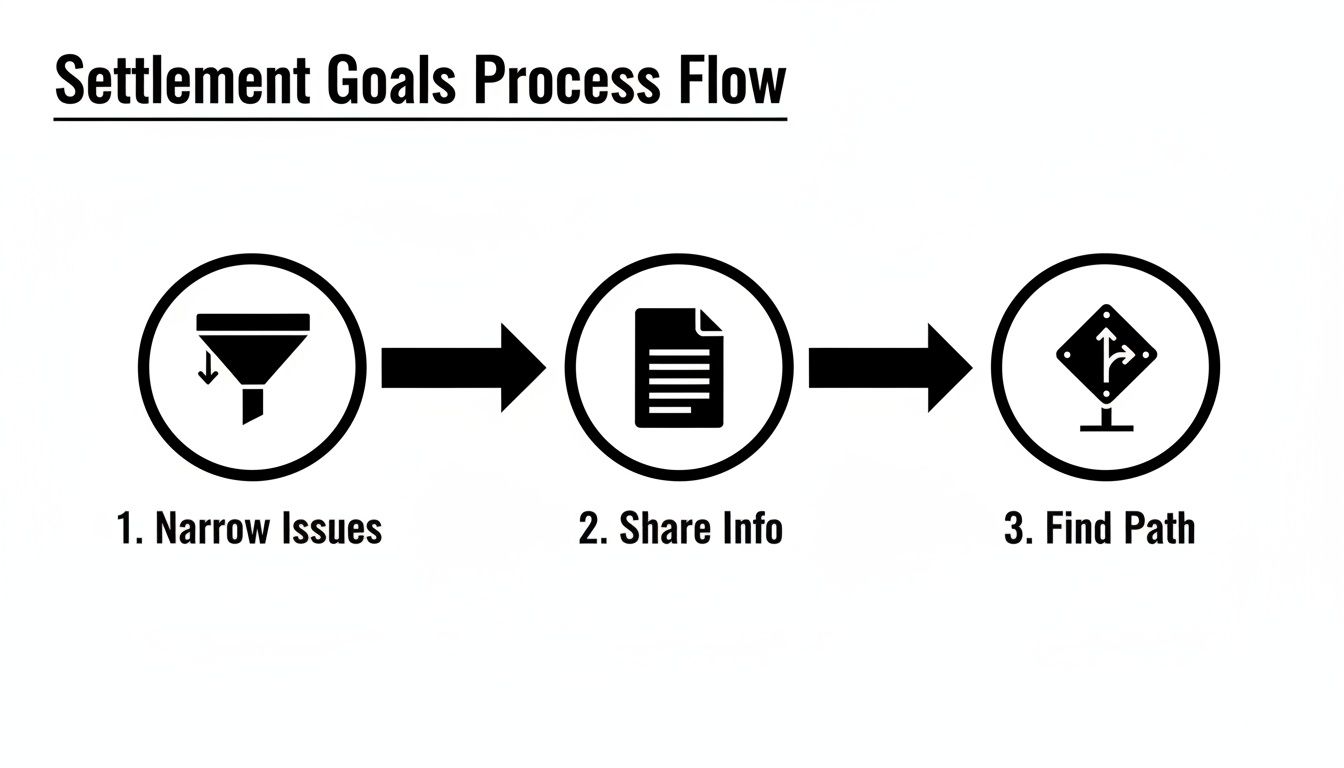
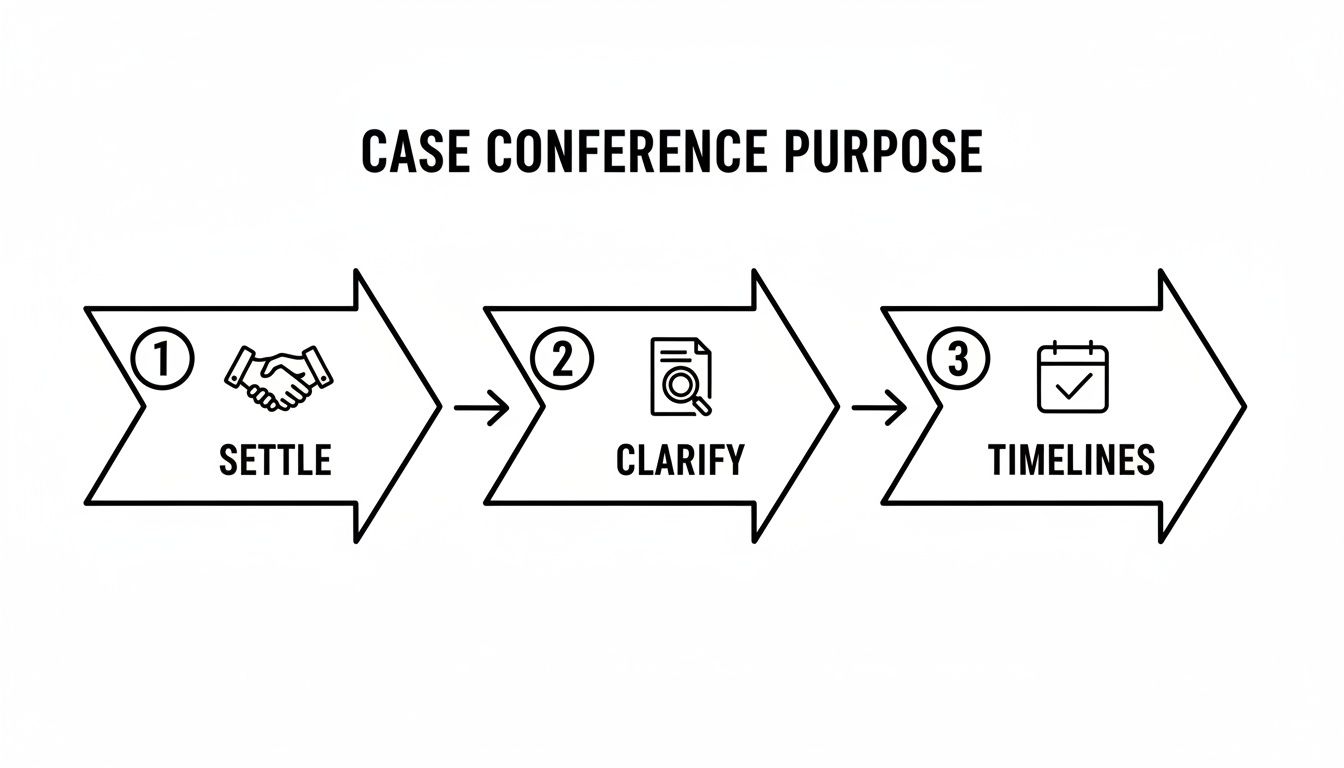
If the other party does not agree, possible next steps may include:

  • lawyer negotiation
  • exchange of financial disclosure
  • mediation, where appropriate
  • a case conference
  • a motion to change or variation application
  • a court hearing if settlement is not reached

A judge will not simply change an order because one side asks. The court will review the evidence, the governing legislation, and the child’s best interests where parenting is involved.

If you are involved in a family law Ontario dispute in Brampton, the matter may proceed through the local court process at 7755 Hurontario Street depending on the court and type of case. Procedural steps can vary, so getting early legal advice often helps avoid delays and weak evidence.


When to Speak With a Family Lawyer

You should consider speaking with a lawyer if:

A five-step flowchart explaining the legal process to vary a parenting or support order in Ontario.
  • your income has changed significantly
  • child support no longer matches current finances
  • spousal support no longer seems fair or workable
  • your parenting schedule is no longer being followed
  • your child’s needs have changed substantially
  • your separation agreement no longer reflects reality
  • the other party refuses to cooperate
  • you are unsure whether you need a court motion or a negotiated update

A family lawyer Brampton can help you assess whether the change may be material, what evidence you need, and whether your issue is better handled through negotiation, variation, enforcement, or review.


Frequently Asked Questions


What qualifies as a material change of circumstances in Ontario?

A material change is usually a significant, ongoing, and legally relevant change that affects support, parenting, or a child’s needs. It must be more than a minor inconvenience or temporary issue.


Can child support change if income changes?

Yes. A serious increase or decrease in income may justify a change to child support. The court or parties will usually need updated financial disclosure to determine whether support should be varied.


Can spousal support be changed?

Yes, in some cases. Spousal support may be changed if there has been a substantial and continuing change, such as income loss, illness, retirement, or a major shift in financial need.

Ontario family-law forms guide


Can parenting arrangements be changed?

Yes. Parenting arrangements can be changed where there has been a material change affecting the child’s best interests, such as relocation, a major schedule problem, or a change in the child’s needs.


Does losing a job qualify?

Sometimes. Losing a job may qualify if it causes a real and lasting income change. A brief interruption in employment may not be enough by itself.


Can a separation agreement be changed?

In some situations, yes. A separation agreement may be changed by agreement, through a review clause, or by court process depending on the issue and the terms of the agreement.


Do I need to go back to court?

Not always. Some issues can be resolved by negotiation or agreement. If the other party does not agree, or if a formal court order must be changed, going back to court may be necessary.


Talk to Badesha Law in Brampton

If your income, parenting schedule, support obligations, or your child’s needs have changed in a serious way, do not assume your current order or agreement still fits your situation. A material change of circumstances can affect child support Ontario, spousal support Ontario, and any parenting order Ontario in important ways.

Badesha Law helps families in Brampton understand when a family law arrangement may need to be updated and what steps may be available under family law Ontario. Whether you need help with child support, spousal support, parenting time, separation agreements, or speaking with a divorce lawyer Brampton, getting advice early can protect your position.

If important circumstances have changed, visit the contact page and speak with Badesha Law about your options in Brampton.


If you are dealing with a major change in income, parenting arrangements, support obligations, or your child’s needs, Badesha Law can help you review your order or agreement and decide on the right next step in Brampton.

Contested Divorce Lawyer

Restraining Order Family Law: An Ontario Guide for 2026

You may be reading this after a night where you barely slept. Your phone kept lighting up. Your child asked why the other parent was outside again. You left the house quickly, then spent the day wondering whether going back would make things worse.

That kind of fear can make even simple decisions feel impossible. In Ontario family court, a restraining order can be one of the clearest legal tools available when separation and safety collide. It isn't just a document. It's a court order meant to stop contact, control behaviour, and create enforceable boundaries when someone's conduct has become threatening, harassing, or dangerous.

People often think asking for a restraining order means they must already have a full criminal case, police file, or visible injuries. That isn't how family law works. The question is whether the court should step in to protect you or your children based on the evidence before it. In Ontario, restraining orders are part of the family law system under the Family Law Act, and they often arise in the middle of a separation, parenting dispute, or urgent breakdown at home.

Table of Contents

When Safety Is The Priority An Introduction

A restraining order family law case usually begins before anyone uses that phrase. It starts when one person changes routines, avoids certain streets, keeps screenshots, or asks a neighbour to walk them to the car. By the time many people call a lawyer, they've already been living under pressure for weeks or months.

A pensive person with short hair sitting on the edge of a bed looking out a window.

Under Ontario's Family Law Act, a restraining order is a court order that can restrict a spouse, former spouse, or former partner from contacting you directly or indirectly, and from coming near certain places such as your home, workplace, or a child's school. In practical terms, it gives the court a way to put immediate legal boundaries around unsafe behaviour during or after separation.

This isn't a rare issue. In Ontario, 19% of women reported obtaining a restraining order against a current or former spouse between 2000 and 2014, which was four times higher than the 5% of men who reported obtaining one, according to the Department of Justice Canada review of restraining and protection orders. That same source places restraining orders in the larger reality of intimate partner violence and its human and economic cost.

When urgency matters most

Some situations can't wait for a routine court date. If the risk is immediate, counsel may need to consider emergency court steps alongside a restraining order request. The process can move quickly, but only if the materials are organised and the evidence is specific. A general statement that you feel unsafe often isn't enough by itself.

If your situation involves immediate danger, a child at risk, or escalating harassment, it helps to understand how an emergency motion in family court may fit into the broader response.

Practical rule: If you're afraid, start documenting today. Save messages, write down dates, and keep records in one place you can access quickly.

What a restraining order can and cannot do

A restraining order can create a legal perimeter. It can stop attendance at places connected to your daily life, restrict communication, and support police involvement if there's a breach.

What it can't do is solve every issue in the relationship overnight. It doesn't divide property by itself. It doesn't finalise parenting arrangements. It doesn't automatically remove someone from title to a home. It is a protection tool, and it often becomes one part of a much larger family law case.

Understanding Your Options Types of Protective Orders

People in crisis are often handed several legal terms at once. Restraining order. Peace bond. Exclusive possession. Undertaking. Those aren't interchangeable, and choosing the wrong tool can slow down protection instead of strengthening it.

A restraining order under the Family Law Act

In Ontario family law, the core protective order is a restraining order under the Family Law Act. It is usually requested in family court when the parties are or were spouses, were living together, or share a child. The court can order that one person have no contact with the other, not attend specified locations, or not communicate except in limited ways.

This remedy matters because it belongs inside the family case itself. If there is already a divorce, parenting, support, or property dispute, the restraining order can be addressed in that same legal context. That makes it easier to connect safety concerns to parenting schedules, exchanges, and the home.

How it compares with other protective tools

Here is a practical comparison.

Order Type Governing Law Primary Purpose Typical Duration
Restraining order Family Law Act Protect a spouse, former spouse, co-parent, or child from harassment, contact, or attendance at named places Often temporary at first, then subject to further court order or terms set by the judge
Peace bond Criminal Code Prevent feared harm or disturbance where criminal court conditions are appropriate Time-limited and set by criminal court terms
Exclusive possession order Family Law Act Give one spouse temporary possession of the matrimonial home Usually temporary, tied to the family court case
No-contact criminal release condition Criminal process Control behaviour after arrest or charge Depends on bail or criminal court terms

A peace bond is not the same as a family court restraining order. It comes through the criminal court system and is designed to address a fear that someone may cause harm or commit certain offences. It can be useful in the right case, but it doesn't replace the family court remedies that deal directly with parenting, separation, and the matrimonial home. If you want a clearer breakdown, this guide on what a peace bond is in Ontario helps explain the distinction.

Emergency orders and temporary orders

Not every restraining order request proceeds the same way. The court may be asked to act urgently, sometimes without the other side present at the first stage, if the facts justify it. In other cases, the court sets a temporary arrangement first and hears fuller evidence later.

That trade-off matters. Urgent relief can protect you quickly, but the evidence still has to be disciplined and credible. Temporary relief can buy safety and structure, but it often means returning to court soon for a fuller hearing.

The best protective order is the one that fits both the legal relationship and the level of immediate risk.

Exclusive possession is different from a restraining order

A lot of clients assume that if they obtain a restraining order, the home issue solves itself. Sometimes the facts support both remedies. Sometimes they don't.

An exclusive possession order deals with who can stay in the matrimonial home on a temporary basis. It can force one spouse to leave even if both names are on title. That is a separate legal analysis from a restraining order. In serious separation cases, lawyers often assess both remedies together because safety at the doorway and possession of the home are closely connected, but they remain different orders with different legal purposes.

The Court Process Step by Step

Family court feels chaotic when you're inside it. The process is more manageable when you break it into tasks and treat each one as part of a sequence.

A six-step infographic illustrating the legal court process for obtaining a restraining order in family law.

Start with evidence and urgency

The first question is simple. What exactly happened, and why does the court need to act now?

You'll usually need a family court application or responding materials that ask for the restraining order, plus sworn evidence. In many Ontario cases, that means dealing carefully with documents such as a Form 8 Application and, where parenting issues are involved, a Form 35.1 affidavit. The exact forms depend on whether you are starting a case, responding in one, or bringing a motion within an existing matter.

Your evidence should be chronological and specific. Judges want dates, messages, incidents, police involvement if any, and the impact on you or the children. “He scares me” is a starting point. “On three occasions he waited outside my workplace, sent repeated messages after being told to stop, and appeared during school pickup” is usable evidence.

Filing service and the first hearing

Once the materials are prepared, they must be filed in the correct court and served properly on the other party unless the court permits another approach because of urgency. Service is not a technical afterthought. If documents aren't served correctly, your hearing can be delayed, and delays are expensive in safety cases.

At this stage, many self-represented parties lose momentum. They focus on telling their story but miss the procedural requirements that let the judge act on it.

A typical sequence looks like this:

  1. Gather proof first: Save texts, emails, voicemails, call logs, photos, and notes of incidents.
  2. Prepare the right forms: Use the documents that match your procedural position in the family case.
  3. Draft a sworn affidavit: Set out events in date order, with enough detail to show risk.
  4. File in the proper courthouse: Jurisdiction and file status matter.
  5. Serve the other side properly: Follow the Family Law Rules.
  6. Attend the hearing prepared: Bring a clean copy of your materials and know the key incidents you need the judge to hear.

For many people, the forms are the hardest part because each statement must be both truthful and legally useful. A practical starting point is this guide to Ontario family law forms, especially if you're trying to understand which documents usually appear in a restraining order family law matter.

What the judge is looking for

The court is not trying to referee every painful interaction in a separation. Judges look for conduct that shows intimidation, harassment, fear, credible safety concerns, or a pattern that makes boundaries necessary.

That means evidence of repeated unwanted contact can matter. Turning up uninvited can matter. Using the children to monitor or pressure the other parent can matter. The court also looks at whether narrower arrangements, such as communication through counsel or a parenting app, could reduce risk in a less restrictive way.

Bring facts, not labels. “Abusive” is a conclusion. Incidents, dates, and messages are evidence.

Proving Your Case Evidence and the Burden of Proof

A restraining order family law application isn't decided by who seems more emotional in court. It turns on whether your evidence shows, on the legal standard, that protection is justified.

What balance of probabilities means

In family court, the usual standard is the balance of probabilities. That means you must show it is more likely than not that the facts supporting the order are true. Think of a scale. If your evidence makes the scale tip even slightly in your favour, you've met the standard.

That doesn't mean weak evidence is enough. It means the court doesn't need criminal proof. The judge studies reliability, detail, consistency, and whether the surrounding documents support what you say happened.

What evidence usually helps most

The strongest evidence is often ordinary evidence people already have but haven't organised well. Screenshots matter. Call logs matter. Emails matter. A dated notebook can matter if it was kept consistently and lines up with other records.

Useful evidence often includes:

  • Messages and digital records: Texts, emails, social media messages, and voicemails that show threats, harassment, monitoring, or repeated unwanted contact.
  • A detailed incident log: Dates, times, locations, who was present, and what happened next.
  • Photos and physical proof: Damage to property, injuries, or signs of forced entry, if they exist.
  • Witness evidence: A neighbour, family member, teacher, or friend who saw conduct or observed the aftermath.
  • Police or agency records: If police attended or a child protection agency became involved, those records may become relevant.

What usually weakens a case

Three problems come up often.

First, people give conclusions instead of facts. Second, they bury the strongest events inside pages of unrelated relationship history. Third, they ignore their own problematic messages, assuming the other side won't raise them. Family judges usually see the whole communication pattern, not just one side's selected excerpts.

If there's a difficult message you sent, deal with it directly. Courts prefer honesty to selective storytelling.

A good affidavit doesn't try to win every argument in the marriage. It proves why protection is needed now.

Enforcement What Happens When an Order Is Broken

A restraining order only helps if the system treats it seriously. In Ontario, that part of the law changed in an important way.

Why the order has real force

Ontario legislation that came into force on October 15, 2009 made breaching a family law restraining order a criminal offence, which means police can arrest and charge the offender, and the person can be detained until trial if they pose a risk of re-offending, as described in Ontario's announcement on stronger protection for women and children. That reform gave family court orders far more practical force than the older model of treating a breach as only a civil problem.

The protected person's position changes immediately. This ensures one is not left waiting for another family court date while repeated breaches continue. Police can respond to the breach itself.

What to do after a breach

If the restrained person contacts you, shows up where the order says they must not go, or uses another person to pass messages in a way the order forbids, treat it as a legal event. Call the police if the situation is urgent or dangerous. Keep the message, screenshot the call, preserve the footage, and note the time.

You should also keep a copy of the order accessible. The wording matters. Police and the court will look at the exact terms, not what either person thought the order meant.

For related practical issues around compliance and follow-up, this article on family court order enforcement is a useful companion read.

A breach is not “just more bad behaviour.” Once an order exists, the legal system expects compliance with every term in it.

Ripple Effects on Your Divorce and Parenting Case

A restraining order doesn't sit in isolation inside a family file. Once it is made, it tends to affect how the rest of the case is argued, negotiated, and managed.

A diagram illustrating the six major ripple effects of a restraining order on divorce and parenting processes.

Parenting time and decision-making

When one parent needs court-ordered protection from the other, parenting arrangements usually become more structured. Exchanges may move to neutral places. Communication may be limited to email, counsel, or a parenting platform. In higher-conflict situations, the court may consider supervised exchanges or supervised parenting time if the facts justify it.

The practical point is this. A parent who cannot follow boundaries with the other parent often faces scrutiny about whether they can support a child-centred parenting arrangement. Courts focus on the child's best interests, and a pattern of intimidation, harassment, or volatility can influence how much flexibility the court is prepared to allow.

The home property and negotiation pressure

The restraining order can also reshape who lives where and how negotiations unfold. If one person is afraid to return home, temporary occupancy becomes urgent. If the facts support exclusive possession, the home may stop functioning as a bargaining chip.

That doesn't mean the restraining order decides property division. Ontario property issues still follow the Family Law Act framework for equalisation and related remedies. But safety findings can change the practical dynamics of the file. They affect who can remain in the home, how personal property is retrieved, and how counsel structures communication between the parties.

Here are some common ripple effects:

  • Parenting schedules tighten: Informal pickups and verbal handoffs often give way to written schedules and firm boundaries.
  • Negotiation tone changes: Settlement talks become more controlled because direct contact may no longer be appropriate.
  • Home access becomes a legal issue: The parties may need specific terms about entry, retrieval of belongings, or temporary possession.
  • Evidence gains weight elsewhere: The same facts that support a restraining order may influence temporary parenting and procedural requests.

The emotional and strategic reality

People sometimes worry that asking for a restraining order will “make the divorce worse.” If the facts justify protection, the case is already serious. The order doesn't create the risk. It recognises it and gives the court a structure to manage it.

At the same time, weak or exaggerated claims can damage credibility across the entire file. That is the trade-off. A strong case for protection often helps stabilise the litigation. A poorly prepared request can harden conflict and make later parenting arguments harder to win.

Next Steps and When to Call a Lawyer

Two situations that call for fast legal advice

One situation is escalating harassment after separation. The other parent keeps texting, appears outside your home, and uses routine child exchanges as a reason to confront you. There may be no recent physical assault, but the pattern is tightening and your child is seeing it.

Another situation is direct concern for a child's safety. A parent threatens to remove the child without agreement, shows up unpredictably at school, or behaves in a way that makes ordinary handoffs unsafe. These cases often need a coordinated response involving both protective relief and parenting orders.

In either scenario, timing matters. Delay can weaken evidence, complicate procedure, and leave you exposed during the most unstable part of the separation.

Why legal help matters early

A restraining order family law case is not just about filling out a form. The wording of the requested terms matters. The evidence must be selected carefully. The relationship between the restraining order, parenting issues, and the matrimonial home has to be handled as one strategy, not three separate problems.

Some people only need targeted legal help rather than full carriage of the whole matter. If that's your situation, it's worth learning how a limited scope retainer in family law can work.

If you're in immediate danger, call 911. If you're not in immediate danger but you know the situation is moving in the wrong direction, get legal advice before the other side defines the story first.


If you need calm, practical help with a restraining order, parenting dispute, divorce, or urgent family court issue, Badesha Law serves clients in Brampton, Peel Region, and across the GTA with clear advice and step-by-step guidance. The firm handles contested and uncontested divorce matters, parenting and support disputes, separation agreements, and issues involving the matrimonial home. When safety and family court strategy are tied together, getting precise advice early can prevent costly mistakes and protect what matters most.

Tax Implications Divorce: Your Ontario Guide for 2026

Separation often begins with one practical question that lands before anything else is emotionally settled. Who files what, who reports what, and what happens to the money now?

In Ontario, divorce is never only about the court process. It is also a tax event, a support issue, a property issue, and a record-keeping issue. In Brampton and across the GTA, I regularly see people focus on the visible disputes first, such as the house, parenting, or monthly support, while the tax consequences stay in the background until they create a preventable problem.

That's where careful planning matters. Ontario family law under the Family Law Act works alongside CRA rules, not separately from them. If your separation agreement is vague, if support is labelled poorly, or if you wait too long to update your status, the financial consequences can follow you long after the emotional part of the case has moved on.

A workable plan starts with the first few decisions you make after separation and builds from there.

Table of Contents

Your First Financial Steps After Separation

A newly separated client often comes in with the same stack of worries. One spouse has moved out, bills are coming due, the mortgage is still joint, and nobody is sure whether support should start now or after the paperwork is signed. At that point, people aren't asking abstract questions about the tax implications of divorce. They want to know what to do this week.

A focused woman reviewing a tax summary document while sitting at a desk with a laptop.

In Ontario, the safest first move is to get your financial picture organised before positions harden. That means income documents, account statements, mortgage details, pension information, and records of household expenses. If you're preparing the disclosure required in a family law matter, a properly completed Form 13.1 financial statement becomes one of the most useful tools in the file because it forces clarity early.

What to gather first

Start with the documents that affect immediate decisions:

  • Income proof: recent pay records, tax returns, notices of assessment, and proof of any variable income.
  • Support records: any transfers already being made between spouses, even if they were informal.
  • Property records: title documents, mortgage statements, line of credit balances, and statements for investments or registered accounts.
  • Household costs: utilities, school costs, insurance, transportation, and recurring child-related expenses.

Practical rule: Don't wait for court to make yourself financially organised. The person with cleaner records usually makes better decisions faster.

Why the first month matters

The earliest mistakes are often the most expensive. A spouse may move money without documenting why. Another may keep paying the mortgage but assume that automatically counts as support. Someone else may accept a verbal promise about taxes that never appears in a signed agreement.

Under Ontario family law, labels matter less than the actual legal structure. Under tax law, wording and documentation matter a great deal. If support, property adjustment, and household expense sharing are all blurred together, you can end up with a settlement that looks fair on paper but works poorly in practice.

The goal at the start isn't to solve everything. It's to avoid decisions that narrow your options later.

Changing Your Marital Status and Tax Credits

A common early problem in Brampton and across the GTA looks small on paper. One spouse moves out, parenting time changes, support talks begin, but nobody updates marital status with the CRA. A few months later, benefits are recalculated, payments are adjusted retroactively, and both sides are arguing about cash flow at the same time they are trying to settle support and property issues.

A four-step infographic explaining how to manage tax credits and benefits when changing your marital status.

When the CRA considers you separated

The CRA says you are separated for tax purposes once you have been living apart for at least 90 consecutive days because of a breakdown in the relationship. Once that 90-day period has passed, your effective date of separation is the day you started living apart, and your marital status should be updated with the CRA through its guidance on changing your marital status.

That rule creates confusion in real family law files. Spouses often separate in stages. One may sleep in the basement, keep paying household bills, or continue parenting under one roof for a period of time. In Ontario court matters, especially in busy GTA cases, those facts may still matter for support and property arguments, but the CRA is focused on whether you were living apart due to relationship breakdown for the required period.

If you need the legal distinction that people often mix up, this explanation of the difference between legal separation and divorce is useful.

What to update right away

After the separation date is clear, review the accounts and filings that still assume one household. Delay causes problems.

  1. CRA marital status
    Report the separation date so benefits and credits are calculated using the right household information.

  2. Benefits and credits
    Amounts tied to family income, including the Canada Child Benefit and related credits, can change after separation. In some cases, clients in Brampton matters are surprised to learn they have been overpaid and need to repay amounts later.

  3. Employer payroll information
    Your TD1 and withholdings may no longer fit your circumstances. This matters if support, childcare costs, or eligibility for credits has changed.

  4. Child-related claims
    Parenting arrangements do not automatically answer every tax question. If care is shared, or if one parent has primary residence but the agreement is unclear, tax filing positions should be discussed early and written consistently with the separation terms.

One spouse updating the CRA while the other carries on as if nothing changed is a common source of avoidable conflict.

Why this step matters in family law files

In Ontario separation files, monthly cash flow usually drives settlement pressure. A change in benefits can affect what someone can realistically pay toward rent, the mortgage, legal fees, or interim support. I often see clients focus on the headline support number and miss the quieter issue, whether post-separation benefits and credits will rise, fall, or be reassessed.

The separation date also has consequences beyond tax administration. If spouses later disagree about when they separated, that dispute can spill into valuation date issues under the Family Law Act, support positions, and credibility problems in court materials.

The practical approach is simple. Pick a defensible separation date, make sure it matches the facts, update the CRA promptly, and use the same date consistently in your court documents, financial statement, and any separation agreement. That consistency prevents the kind of small contradiction that becomes expensive later.

The Tax Treatment of Support Payments

A common GTA separation problem looks like this. One spouse agrees to pay a monthly amount, both parties call it “support,” and months later they learn the CRA does not see the payment the same way they do. In Brampton and across the GTA, I see this most often with rushed interim deals, handwritten minutes of settlement, and informal transfers made before a proper agreement is signed.

Child support and spousal support have different tax rules

Child support is tax-neutral. The payer does not deduct it, and the recipient does not report it as income.

Spousal support can receive different treatment, but only if the arrangement is set up properly. Under the Income Tax Act, periodic spousal support paid under a court order or written agreement is generally deductible to the payer and taxable to the recipient. The CRA sets out those conditions in its guidance on support payments.

That distinction changes settlement math. A monthly amount that looks fair on paper may land very differently after tax, especially where the recipient is also dealing with reduced benefits, part-time income, or childcare costs. The payer also needs to be realistic. A deduction is only useful if the agreement qualifies and the payer has enough taxable income for the deduction to matter.

For a more detailed Ontario-focused discussion, see whether spousal support is tax deductible.

What the agreement must say

Label alone is not enough. Calling a payment “spousal support” does not make it deductible.

To qualify for the usual tax treatment, the payment generally needs to be a clear allowance, paid on a periodic basis, under a written separation agreement or court order, for the recipient's maintenance. A lump sum usually does not receive the same treatment. Taxtron's summary of separation and divorce taxation also notes this distinction between periodic support and lump-sum payments, which is where many poorly drafted settlements go off course.

This drafting point matters in family court. If an order says one spouse will pay the mortgage, credit card debt, school fees, and “general support” in one blended amount, the tax position becomes harder to defend. The cleaner approach is to separate child support, spousal support, and expense-sharing into distinct clauses with separate amounts and payment dates.

A quick Ontario comparison

Factor Child Support Spousal Support (Periodic)
Basic tax treatment Not deductible to payer Deductible to payer if properly structured
Recipient treatment Not taxable Taxable if properly structured
Must be in court order or written agreement Advisable for enforcement and clarity Yes, if the parties want the usual tax treatment
Periodic payment requirement Not relevant to tax neutrality Yes
Lump-sum treatment Usually remains tax-neutral Generally not deductible

Drafting choices that prevent later disputes

The support terms that hold up best usually have four features:

  • Separate categories: Child support and spousal support are listed separately.
  • Clear timing: The agreement states the payment frequency and exact amount.
  • Formal documentation: The obligation appears in a signed agreement or court order.
  • Precise labels: Mortgage payments, section 7 expenses, and support are not merged into one vague figure.

Ontario files often become more expensive when parties use a “global support” number to get a deal done quickly. That shortcut creates confusion in tax reporting, enforcement, and later variation motions. It also gives each side room to argue about what the payment was supposed to cover.

Clear wording protects both parties. It gives the CRA a record that matches the legal document, and it reduces the risk of a support fight turning into a tax fight as well.

If support is later changed, the updated order or agreement should be reviewed with the same care as the original one. In practice, many post-separation problems come from amendments drafted too casually, especially after an interim settlement in the Brampton or Toronto courts.

Dividing Property and The Matrimonial Home

Property division under Ontario's Family Law Act is already technical. The tax side becomes even more important when the matrimonial home is involved because clients often treat the home as an emotional issue first and a tax issue second.

A five-step infographic outlining the process of dividing property and matrimonial homes during a divorce.

The home is a family law issue and a tax issue

In Ontario, the matrimonial home has special treatment under family law, especially around possession and equalization. But once sale or transfer becomes part of the discussion, tax planning has to join the conversation.

When a couple sells the family home during divorce, any increase in value may be subject to capital gains tax if the property does not fully qualify for the Principal Residence Exemption, as explained in Chapman Steffler's discussion of selling the family home during divorce in Canada.

That doesn't mean every sale creates a tax problem. It means you cannot assume the exemption applies automatically in every circumstance, for every year, without checking the ownership history and the way the property was used.

For the Ontario family law side of this issue, including rights tied specifically to the home, this guide on matrimonial home rights in Ontario is a helpful companion.

Buyout versus sale

A buyout and a sale to a third party may reach the same emotional endpoint, but they don't always produce the same practical consequences.

If one spouse buys out the other

This option often appeals to parents who want stability for the children. It may also avoid the disruption of listing the home immediately. But a buyout only works well if the agreement deals with title transfer, mortgage refinancing, equalization, and the tax position of any other property one or both spouses may acquire afterward.

A common mistake is assuming that because one spouse moved out, the tax analysis becomes simple. It usually doesn't. The spouse who leaves may remain on title for some time. The spouse who stays may later purchase another property. Those facts can complicate principal residence planning.

If the home is sold

A sale creates liquidity and often reduces future conflict. It also forces everyone to deal with the actual numbers rather than estimates. In high-conflict GTA files, that can be the cleaner route.

Still, the parties should consider:

  • How sale costs are allocated
  • How interim mortgage and carrying costs are treated
  • Whether improvements before sale matter
  • How the agreement records each spouse's obligations until closing

Practical mistakes I see in GTA files

Brampton and GTA matters often involve fast-moving decisions around real estate because people are balancing school catchments, refinancing limits, and rising household costs. The tax mistakes usually come from speed, not strategy.

Here are the recurring ones:

  • Leaving title issues unresolved: spouses agree in principle to a transfer but delay the paperwork.
  • Treating the home as the only asset that matters: a home buyout can look attractive while hiding unequal after-tax values elsewhere.
  • Ignoring future property purchases: one spouse buys another residence without considering how principal residence designation can become more complicated later.
  • Relying on verbal side deals: one spouse agrees to cover certain costs “for now” and assumes those payments will be credited later.

The house often feels like the centre of the case. From a tax perspective, it's only one part of a larger financial structure that has to fit together properly.

Strong property settlements are rarely the ones that move fastest. They are the ones drafted with enough precision that title, possession, equalization, and future tax reporting don't pull in different directions.

Splitting RRSPs and Pensions Tax-Free

For many families, retirement assets sit just behind the home in overall importance. They're easy to undervalue in a separation because they don't affect tomorrow's grocery bill. They do affect long-term security.

Why direct transfers matter

Where RRSPs or similar registered plans are being divided, the method matters as much as the amount. The wrong approach can turn a property transfer into an unnecessary tax event. In practice, the cleaner route is usually a direct transfer done under proper legal documentation rather than a withdrawal followed by an attempted adjustment between spouses.

That distinction becomes especially important in negotiated settlements. A spouse may say, “I'll cash it out and pay you your share.” On paper, that can sound simple. In reality, it often creates avoidable tax cost and reduces the value available for division.

A strong separation agreement usually identifies:

  • the plan or account being divided,
  • the amount or formula for division,
  • the documents needed from the financial institution,
  • and who is responsible for follow-up.

For the family law side of pension division, including entitlement questions that arise after marriage breakdown, this resource on spouse entitlement to pension after divorce in Canada is worth reading.

Workplace pensions need proper valuation

Pensions are not just monthly income streams. In Ontario family law, the value accumulated during the relationship can form part of net family property and may affect equalization.

That means spouses shouldn't guess at pension value or treat it as secondary because it feels technical. A modest house account balance can be easier to understand than a pension statement, but that doesn't make the pension less significant. If one spouse keeps a pension while the other keeps more immediate assets, the trade has to be assessed carefully.

CPP credit splitting deserves attention

Canada Pension Plan credits are often forgotten because they don't look like an asset people can touch. They still matter.

In Canada, CPP contributions accumulated during a marriage or common-law relationship can be divided equally upon divorce, and this credit splitting can apply even if one spouse never worked or contributed to the plan, as outlined in Scotia Wealth Management's discussion of divorce tax implications.

That point is especially important where one spouse stepped back from paid work to raise children or support the household in other ways. Equal treatment in a family law settlement isn't only about what sat in a bank account. It also includes retirement-related value built during the relationship.

Retirement assets should be divided with a long view. A settlement that feels balanced today can look very different later if registered plans and pension rights were handled casually.

Common Tax Pitfalls to Avoid During Divorce

Most tax problems in divorce aren't dramatic. They're administrative, incremental, and entirely preventable. A line is missing from an agreement. A payment is reported inconsistently. A transfer is made the easy way instead of the correct way.

An infographic showing three common tax pitfalls to avoid during a divorce with corresponding solutions.

Informal deals usually create formal problems

Separated spouses often think a temporary arrangement is harmless. One person pays a monthly amount, someone else covers the children's activities, and both say they'll “sort it out later.” That approach usually creates trouble once lawyers, accountants, or the court need to reconstruct what the arrangement was supposed to mean.

The safer approach is simple:

  • Write it down early: even interim arrangements should be recorded clearly.
  • Label payments properly: support, section 7 expenses, and property adjustments are not interchangeable.
  • Keep proof of payment: bank records and written communications matter.

A handshake agreement may preserve peace for a few weeks. It rarely survives tax season intact.

Tax reporting has to match the legal paperwork

One of the fastest ways to trigger trouble is for spouses to report support differently. If one person claims a deduction and the other fails to report the corresponding income, the mismatch usually invites scrutiny.

Precision matters more than optimism in this context. If the agreement says periodic spousal support, report periodic spousal support. If a payment was in fact part of property division, don't call it support later because one side thinks the tax result would be better.

Another overlooked issue is legal fees. People often assume every divorce-related legal cost carries the same tax treatment. It doesn't. Fees tied to support issues may be treated differently from fees tied to property division or parenting disputes. That's a point to review with your accountant based on the actual invoices and legal work involved.

The paperwork people forget to update

Divorce files produce a lot of paper, but not always the right kind. Once the major terms are settled, clients often stop there and miss the records that shape life afterward.

Review these before you consider the matter financially complete:

  • Beneficiary designations: insurance, pensions, and registered plans
  • Account ownership: joint lines of credit, joint accounts, supplementary cards
  • Title and registration records: especially where a transfer was agreed but not completed
  • Tax filing records: so the support treatment and household claims stay consistent with the agreement

Some of the worst post-divorce disputes aren't about what the parties intended. They're about the documents they forgot to change after everyone thought the case was finished.

The common thread in these mistakes is not complexity. It is inconsistency. Good family law drafting and careful tax reporting should tell the same story.

Building Your Professional Team for Financial Security

The tax implications of divorce are manageable when each professional does the job they are trained to do. Trouble starts when spouses expect one person to cover every angle.

Your family lawyer should protect your rights under Ontario law, structure the separation agreement properly, address support language carefully, and make sure property terms fit the Family Law Act. Your lawyer should also spot where wording can create avoidable tax trouble, especially around support and transfers.

Your accountant or tax adviser should focus on the calculation side. That includes return preparation, treatment of support on filing, benefit impacts, and the practical consequences of account transfers or asset sales.

Those roles overlap, but they are not identical. A strong result usually comes from coordination, not guesswork.

Before you sign anything final, make sure your team has answered these questions clearly:

  • Is the support language drafted to match the intended tax treatment?
  • Are property transfers being completed in the most efficient way?
  • Does the treatment of the home align with both family law rights and future tax reporting?
  • Have retirement assets been divided in a way that preserves value?
  • Are your post-separation filings and records consistent with the agreement?

The best outcomes rarely come from rushing to “get it over with.” They come from making sure the legal settlement and the tax consequences line up from the start.


If you're separating in Brampton or anywhere in the GTA, Badesha Law can help you structure your divorce or separation agreement with the clarity these financial issues demand. Whether your matter involves support, the matrimonial home, pensions, or a contested court process, the firm provides practical Ontario family law guidance designed to reduce mistakes and protect your financial position.

Legal Separation Mediation in Ontario: A Clear Guide

You may already be living in separate rooms, or one of you may have moved out weeks ago. The urgent questions usually arrive before the paperwork does. Who pays the mortgage? What happens with the children's schedule? Can either of you use the joint line of credit? Do you need to “file for legal separation” before doing anything else?

That last question causes a lot of confusion in Ontario. People use the phrase legal separation mediation because they want a structured way to sort out parenting, support, property, and day-to-day rules while they live apart. What they usually need, though, isn't a court status called legal separation. It's a solid, enforceable Separation Agreement reached through a careful mediation process.

When mediation works well, it lowers the temperature. Instead of trading accusations through lawyers or waiting for a judge to decide intimate family issues on a crowded court list, both spouses work through the practical terms of their separation with a neutral mediator guiding the discussion. That doesn't make it soft or vague. Good mediation is organised, legally informed, and focused on getting real decisions made.

It also gives people something they often feel they've lost during separation. Control.

Table of Contents

Starting Your Separation Journey in Ontario

A separation rarely begins with a neat legal checklist. It starts with ordinary life becoming unworkable. One parent sleeps in the basement. Someone starts tracking grocery costs because the old routine no longer makes sense. The children ask where they'll be this weekend, and both parents realise they haven't agreed on anything.

That's where mediation can be useful. It gives separating spouses a place to sort out practical issues in a controlled setting before conflict hardens into positions. For many families, that means discussing parenting schedules, support, use of the home, debt payments, and the timing of next steps, all without turning every disagreement into a court fight.

A contemplative woman standing by a large window overlooking a scenic countryside landscape at sunset.

What works in this stage is structure. What doesn't work is assuming goodwill alone will carry difficult conversations. Even couples who want an amicable separation often need a framework, an agenda, and a process for making decisions one issue at a time.

Practical rule: Don't wait until every emotional issue is resolved before dealing with the legal and financial ones. Most families need a working plan early.

Ontario law matters here. Under the Family Law Act and the broader family law framework in Canada, spouses can live separate and apart and make enforceable arrangements without rushing into an immediate court battle. That's why legal separation mediation, in the Ontario sense, is usually about creating order during separation rather than obtaining a separate court label.

A good starting point is simple:

  • Stabilise the basics: where each person will live, how bills will be handled, and what the parenting schedule looks like this week and next week.
  • Protect disclosure: gather income information, debts, account balances, and property records early.
  • Use a process that fits the family: mediation can work very well when both people are willing to exchange information and negotiate in good faith.

People often feel they must choose between doing nothing and going straight to court. In practice, there's a middle path. For many Ontario families, mediation is that path.

What Legal Separation Really Means in Ontario

A spouse will often sit across from me and say, “I want to get legally separated first.” In Ontario, that usually means they are trying to solve a real problem with the wrong legal label.

You are separated when you live apart with the intent to separate

Ontario does not have a separate court status called legal separation. You remain married until you divorce. You become separated when at least one spouse decides the relationship is over and you begin living separate and apart, even if some practical overlap continues for a time.

That distinction matters because it changes what mediation is meant to produce. The goal is usually not a court document declaring you “legally separated.” The goal is a written agreement that deals with the consequences of separation in a clear, enforceable way.

If you want a fuller explanation of the terminology, this guide on the difference between legal separation and divorce in Ontario sets out the legal distinction.

In practice, mediation during separation and mediation before divorce often cover the same issues. The difference is timing, not a special Ontario process called legal separation.

What mediation is actually building

In most cases, mediation is working toward a Separation Agreement. That document sets out the terms you and your spouse agree on while living apart. If it is drafted properly, with full financial disclosure and independent legal advice, it can become the foundation for stability now and a later uncontested divorce if you choose to apply for one.

A useful Separation Agreement usually addresses:

  • Parenting arrangements: decision-making responsibility, parenting time, holidays, travel, and communication
  • Child support: table support, section 7 expenses, sharing percentages, and review terms
  • Spousal support: whether support is paid, the amount, duration, and review or variation triggers
  • Property issues: equalization, bank accounts, pensions, vehicles, and the matrimonial home
  • Debt allocation: responsibility for credit cards, lines of credit, tax debt, and joint liabilities

The quality of the agreement matters as much as the deal itself. A vague term about the house can create a fight six months later. A support clause without income review dates can cause the same problem. Good mediation does not just settle today's dispute. It addresses the predictable pressure points that tend to come next.

Ontario family law allows spouses to make domestic contracts, but those contracts need care. Full and honest disclosure is not optional if support or property is in issue. Clear drafting matters. So does fairness in the process. Mediation can help spouses reach common ground, but the final agreement still needs to stand up if one person later refuses to comply.

Some families do need court orders before they are ready to divorce, especially where support is urgent, parenting is disputed, or disclosure is being withheld. That happens. Still, for many separating spouses in Ontario, “legal separation mediation” really means using mediation to negotiate a detailed Separation Agreement that brings order to an unsettled situation.

The Ontario Mediation Process Step by Step

Mediation feels less intimidating when you know what happens. Most files follow a fairly predictable sequence, even though each family's issues are different.

A six-step infographic illustrating the legal separation mediation process in Ontario, from initial consultation to final agreement.

The first meeting and suitability screening

The first step is usually an intake meeting. Sometimes each spouse speaks with the mediator separately first. Sometimes there is a joint introductory meeting. The point isn't to settle everything immediately. It's to determine whether mediation is appropriate and to identify the issues that need to be addressed.

A competent mediator will screen for problems that can make mediation unsafe or unworkable, such as family violence, coercive control, serious non-disclosure, or an inability to negotiate on anything at all. Mediation is not a good fit in every file.

Early in the process, each person should also understand the financial disclosure expected in family law. If support or property is in issue, incomplete numbers lead to bad agreements. Ontario spouses often need documents similar to those used in court financial statements, and it helps to review what belongs in a Form 13.1 financial statement in Ontario family law before mediation gets too far along.

Disclosure negotiation and drafting

Once the process is underway, the parties usually exchange documents and attend one or more mediation sessions. These meetings can cover:

  1. Immediate arrangements such as parenting transitions, interim bill payments, and use of the home.
  2. Support questions based on income and the children's needs.
  3. Property issues including equalization, debts, pensions, and sale or buyout options.
  4. Future mechanics such as review dates, tax filing obligations, refinancing deadlines, or dispute resolution clauses.

The mediator's role is neutral. The mediator does not act for either spouse and does not replace independent legal advice. Good mediators keep the conversation focused, reality-test proposals, and stop the discussion from drifting into old marital grievances that don't help solve current legal issues.

What works well here is issue-by-issue negotiation. Settle one area, write it down, then move to the next. What tends not to work is trying to resolve parenting, support, property, and personal resentment in one sweeping conversation.

What I see most often: mediation succeeds when both spouses come prepared to trade proposals, not speeches.

When progress is made, the mediator will usually prepare a summary document, often called minutes of settlement or a memorandum of understanding. That summary is not always the final binding agreement, but it becomes the blueprint for one.

Independent legal advice before signing

Before anyone signs a final Separation Agreement, each spouse should obtain independent legal advice. This is one of the most important safeguards in the process.

Independent legal advice does several jobs at once:

  • It helps a spouse understand rights and risks under Ontario law.
  • It identifies missing language, tax issues, and enforcement gaps.
  • It reduces the chance that one party later argues they didn't understand what they signed.

After legal advice, revisions may be made. Then the final Separation Agreement is signed and witnessed. Once signed properly, it can become the working legal framework for the family's separation and, in many cases, later support an uncontested divorce process.

Mediation vs Litigation Choosing Your Path

You and your spouse may agree that the relationship is over, but still disagree on how to sort out the children's schedule, support, or the house. That is usually the primary fork in the road. The choice is not between “being separated” or “going to court.” In Ontario, separation itself is not a court status. The practical question is how you will reach a signed Separation Agreement, or whether a judge will have to decide some of the terms for you.

Cost matters. So does speed. But in my experience, the better test is this: which process gives your family the best chance of reaching terms that are fair, workable, and likely to hold.

Where mediation usually works better

There is no Ontario government statistic that gives a clean side by side comparison between mediation and litigation for separated spouses. Some articles cite data from California to show that mediated files often settle more often, cost less, and finish sooner, but those figures are not Ontario data and should not be treated as a local benchmark.

The Ontario pattern is still familiar. Where both spouses are prepared to exchange full financial disclosure, stay focused on solving present-day issues, and get legal advice before signing, mediation is often the more practical route. It gives the parties more say over the result, keeps private family matters out of the public court process, and allows for terms that fit real life rather than the narrower wording found in many court orders.

That flexibility matters in separation cases. A mediated Separation Agreement can deal with parenting schedules, child support adjustments, spousal support review terms, sale timelines for the home, debt allocation, and dispute-resolution steps if problems come up later. Court can decide those issues too, but the process is more rigid and usually more expensive.

Here is the comparison clients usually want at this stage:

Factor Mediation toward a Separation Agreement Court Litigation
Cost Usually lower if both spouses provide disclosure and negotiate in good faith Usually higher because of motion materials, case conferences, preparation time, and court attendances
Timeline Often shorter if the issues are defined and both parties participate Often longer because hearing dates depend on the court's schedule
Privacy Discussions and draft terms stay private Court filings and attendances are part of a formal public process
Control Spouses shape the terms of their agreement A judge decides any issue the parties cannot resolve
Stress level Usually lower because the process is settlement-focused Often higher because the process is adversarial and affidavit-driven
Flexibility Terms can be tailored to the family's day-to-day needs Orders are usually limited to the issues argued before the court

When court may still be necessary

Mediation is not appropriate in every case.

Court may be the better starting point where one spouse is hiding income or assets, where there is a safety concern, where parenting decisions cannot wait, or where someone is using delay as a strategy. The same is true if there is such a strong power imbalance that one spouse cannot negotiate freely, even with support people, separate sessions, or counsel in the background.

Many families end up using both processes. They may go to court for urgent parenting terms or financial disclosure, then return to settlement discussions once the immediate pressure is under control. That is often a sensible middle path, not a failure.

If your goal is to resolve the separation first and keep the divorce step as straightforward as possible, it also helps to understand the difference between a contested and uncontested divorce in Ontario. In many cases, once the Separation Agreement is signed, the later divorce application becomes much simpler.

How to Prepare for a Successful Mediation

Preparation changes the quality of mediation more than people expect. Spouses who arrive organised usually spend less time arguing about basic facts and more time solving actual problems.

A checklist infographic titled Your Mediation Preparation Checklist featuring seven steps for preparing for divorce mediation.

Get your financial picture into one place

Start with documents. Not guesses, not memory, and not screenshots from six months ago. Family law negotiations are only as reliable as the disclosure behind them.

Gather the core records first:

  • Income records: recent pay stubs, tax returns, notices of assessment, and business income documents if applicable
  • Banking and investments: account statements, RRSPs, TFSAs, pensions, RESPs, and non-registered investments
  • Debts: mortgage statements, credit cards, lines of credit, car loans, and personal loans
  • Property documents: deeds, mortgage balances, appraisals if available, and purchase or sale records
  • Insurance and benefits: life insurance, health benefits, and disability coverage

People often underestimate the importance of tracing dates. Separation date, date of marriage, account balances on those dates, and ownership records can all affect support and property discussions.

Know your priorities before the session starts

Mediation goes better when you know the difference between your goals and your positions. A position is “I must keep the house.” A goal may be “I need housing stability for the children until the school year ends.”

That distinction opens options.

Ask yourself these questions before the first serious session:

  • Parenting: what schedule is realistic for the children, not just preferable for me?
  • Support: what monthly arrangement is workable and legally supportable?
  • Home: do I want to keep it, sell it, or use it temporarily before a sale?
  • Debt: which obligations must be dealt with immediately to protect credit and cash flow?
  • Timing: what needs to happen now, and what can be reviewed later?

If your spouse has been hard to deal with, it may also help to read practical guidance on what happens when a spouse won't sign a separation agreement in Ontario. That issue changes negotiation strategy.

Bring the right mindset

Preparation isn't only financial. It's behavioural.

Enter mediation ready to listen for interests, not just statements. The proposal you reject at first may contain the clue to a workable settlement.

A few habits make a significant difference:

  • Stay future-focused: mediation is for decision-making, not winning arguments about the past.
  • Use precise language: “alternate weekends from Friday after school” is better than “fair access.”
  • Expect give and take: no durable agreement leaves both people feeling they won every point.
  • Pause before reacting: difficult offers can often be improved. They don't always need to be treated as final insults.

What usually doesn't work is turning mediation into a performance. Long speeches, moral scoring, and threats to “see you in court” tend to waste time and narrow options.

Key Issues Resolved in a Separation Agreement

A Separation Agreement turns broad anxiety into concrete terms. It answers the questions that keep separated spouses up at night and puts those answers into language that can be followed, reviewed, and enforced.

A diagram outlining the six core elements of a legal separation agreement including custody and finances.

Parenting and support terms

If children are involved, the agreement should be detailed. Vague parenting clauses often create repeat conflict. In Ontario family law, current language focuses on decision-making responsibility and parenting time, not the older custody and access terms people still use informally.

A well-drafted parenting section often covers:

  • the regular weekly schedule
  • exchanges and transportation
  • holidays, birthdays, and school breaks
  • communication with the children
  • medical, school, and extracurricular decision-making
  • travel and passport consent
  • a process for future schedule changes

Child support should also be specific. The agreement should identify the payor, the amount or calculation method, treatment of special expenses, exchange of income information, and review dates where needed. Spousal support deserves the same care. If there is support, the agreement should set out amount, duration, review triggers, and termination events.

Property debt and the matrimonial home

Property issues are where many mediated agreements either become very useful or very fragile. Ontario's property regime is not about “who paid for what.” Married spouses usually need to consider equalization of net family property, along with practical concerns about possession, sale, and debt responsibility.

The matrimonial home needs special attention. A spouse may want to remain there temporarily for the children's stability while the other relocates, sometimes even to another country. In those situations, mediation can create temporary occupancy terms dealing with who remains in the home, who pays carrying costs, how long the arrangement lasts, and what event triggers a sale or buyout.

That kind of clause needs precision. It should address maintenance, insurance, listing decisions, appraisals, access for sale preparation, and what happens if refinancing is not completed on time.

For a fuller look at how these terms are commonly assembled, review a practical guide to a Separation Agreement in Ontario.

What makes the agreement enforceable

A handshake is not enough. A text message understanding is not enough either. To be effective, a Separation Agreement should be in writing, clearly drafted, properly signed, and witnessed. It should also be grounded in honest financial disclosure.

The strongest agreements don't just state outcomes. They also state deadlines, documents required, and what happens if one party doesn't cooperate.

When properly prepared, a Separation Agreement can later be used in court processes, including support enforcement or as part of an uncontested divorce. But the quality of that later use depends on the quality of the drafting now. Clear language is not cosmetic. It is what makes settlement durable.

Common Questions and Your Next Steps

Late in mediation, the hardest questions are often the ones that determine whether your agreement will work six months from now.

A common example is the person who says, "We agree on the big issues, so why does the wording matter so much?" In family law, wording matters because a signed Separation Agreement is usually the legal goal in Ontario. "Legal separation" is not a separate court status here. What protects you is a clear written agreement that can be relied on later if support is missed, parenting disputes return, or a divorce application is filed.

Can mediation help if I need to remarry after a foreign divorce

Sometimes, yes. But mediation is only part of the answer.

If you were divorced outside Canada and now plan to remarry here, or need to address immigration concerns, the key question is often whether Ontario will recognize that foreign divorce. A mediated Separation Agreement can still be useful. It can set out your present parenting arrangements, support terms, and property issues in Ontario. It does not, by itself, prove that a foreign divorce is valid for every legal purpose.

That distinction matters. In practice, these cases need careful drafting with the later use of the document in mind. Dates of marriage and separation, the place of the prior divorce, the parties involved, and the issues being resolved in Ontario should all be stated accurately and consistently. If there is any concern about remarriage or immigration, get legal advice early so the mediation record and final agreement do not create avoidable problems.

What if my spouse agrees in principle but refuses to sign

This happens often.

Sometimes the hold-up is legitimate. One spouse may have received legal advice that exposed a drafting problem, missing financial disclosure, or an unclear support term. Sometimes the delay is strategic. A party may prefer an informal arrangement because it gives them room to change position later.

The response depends on the cause. If the issue is wording, revisions and independent legal advice may get the deal across the finish line. If the issue is incomplete disclosure, pause and get the missing documents before anyone signs. If the issue is repeated delay, control, or bad faith, mediation may have done all it can do and a court process may be the next practical step.

Do not confuse verbal progress with a final settlement. Until the agreement is properly signed, the risk remains.

If you are deciding what to do next, keep the objective simple and realistic. In Ontario, the usual aim is not to get a court order declaring you "legally separated." It is to leave the process with a signed Separation Agreement that deals clearly with parenting, support, property, debt, deadlines, and future steps.

If you need clear advice about separation, divorce, parenting, support, the matrimonial home, or a foreign divorce opinion letter, Badesha Law offers practical family law guidance across Brampton, Peel Region, and the GTA. A free consultation can help you understand your options, avoid common mistakes, and decide whether mediation, negotiation, or court is the right next step for your situation.

How to Get Full Custody in Ontario: A Practical Guide

When you're fighting for your child's future, the phrase "full custody" feels like the ultimate goal—a clear, final win. But in Ontario's family courts today, that term is a bit of a relic. The law has evolved, and understanding the new language, as outlined in Canada's Divorce Act and Ontario's Children's Law Reform Act, is the first step toward building a winning strategy.

If you want to be the parent making all the major decisions, you have to prove to a judge that this arrangement is in the absolute best interests of your child. This isn't about what you want or what the other parent deserves. It’s about showing you can provide a uniquely stable, safe, and nurturing environment that the other parent simply cannot.

And that requires a mountain of proof.

What “Full Custody” Really Means in Ontario Today

A father comforts his young child sitting at a table, looking out the window.

The legal system doesn’t really talk about "custody" anymore. Instead, the courts operate under the framework of Canada's Divorce Act and Ontario's Children's Law Reform Act, which split the old idea of custody into two very specific parts.

Getting this distinction right is crucial. It sets realistic expectations and helps you focus on what really matters in your case.

Understanding Modern Custody Terms in Ontario

To make sense of court documents and legal advice, you need to know the official language. The old terms are still used in everyday conversation, but they won’t appear in a judge's final order.

This table breaks down the shift from traditional ideas to the current legal reality.

Traditional Term Current Ontario Legal Term What It Really Means for Your Child
Full Custody Sole Decision-Making Responsibility One parent has the final say on all major life decisions like school, healthcare, and religious upbringing.
Joint Custody Joint Decision-Making Responsibility Both parents must agree on major decisions together. This requires a high level of communication and cooperation.
Access Parenting Time This is the physical schedule detailing when the child is in each parent's care. It’s separate from who makes the decisions.
Primary Care Primary Residence This refers to the parent with whom the child lives most of the time. This parent often receives child support.

Thinking in terms of decision-making and parenting time helps clarify your goals and shows the court you understand the modern legal framework.

Decision-Making Responsibility vs. Parenting Time

These two concepts are the bedrock of modern parenting orders.

  • Decision-Making Responsibility: This is about who has the authority to make critical choices for your child—things like their education, major medical treatments, and religious upbringing. What people call "full custody" is now legally known as sole decision-making responsibility.

  • Parenting Time: This is simply the schedule of when your child is in each parent's care. It’s the day-to-day routine.

It’s entirely possible for one parent to have sole decision-making power while the other parent still enjoys a generous and clearly defined parenting schedule. The court's default position is that a child benefits from a meaningful relationship with both parents, as long as it's safe.

You can learn more about how these arrangements work in our detailed guide on the differences between shared and joint custody.

When Is Sole Decision-Making Responsibility Actually Granted?

Ontario courts start from a place of encouraging co-parenting. The default belief is that two involved parents are better than one. Because of this, getting sole decision-making responsibility is the exception, not the rule, and it demands a powerful, evidence-based case.

A judge will only award sole decision-making responsibility when shared parenting is proven to be completely unworkable or actively harmful to the child. This isn't about punishing one parent; it's about protecting the child's well-being above all else.

This high standard means you can't just say the other parent is difficult. You have to provide concrete proof. While statistics have shifted over time, the modern focus is on creating a plan that works for the child, not picking a "winner."

To succeed, you have to meticulously gather evidence—school records, medical histories, emails, text messages, and witness statements—that paint a clear picture of you as the consistently stable, capable, and child-focused parent. A family lawyer can guide you on exactly what proof is needed to meet this high bar, often starting with a free consultation.

Meeting the Best Interests of the Child Test

A smiling Asian family, father, mother, and daughter, sitting at a table with a a calendar.

Every single decision a family court judge in Ontario makes about your child’s life boils down to one powerful legal standard: the best interests of the child. This isn't just a vague idea; it's a specific legal test laid out in both the federal Divorce Act and Ontario’s Children’s Law Reform Act.

When you're trying to figure out how to get full custody, your entire case must be built around proving that sole decision-making is the only outcome that truly serves your child’s needs. Your personal feelings or conflicts with the other parent are secondary. The court’s lens is focused entirely on the child’s world.

This means you have to shift your perspective from what you want to what your child needs—and then gather the hard evidence to prove it.

The Key Factors a Judge Considers

The family law acts give judges a checklist of factors they must consider. They won't just pick one or two; they look at the complete picture your evidence paints. Think of each factor as a chapter in the story of your child's life and your role in it.

The main considerations include:

  • The Child’s Needs: This covers everything from emotional and psychological well-being to their physical health. If a child requires specialized medical care or therapy, for example, they need a parent who is organized and diligent in managing those appointments and treatments.
  • The Child's Views and Preferences: If a child is mature enough to express their own wishes, the court will listen. A 14-year-old’s opinion will naturally carry more weight than a 7-year-old’s, but it’s a factor at any age where it can be reasonably determined.
  • Emotional Ties: The judge will look at the love, affection, and emotional bonds between the child and each parent. They'll also consider relationships with siblings, grandparents, and other important people in their life.
  • Stability of the Home Environment: Courts value consistency. The parent who can provide a stable, predictable home life, school routine, and community connection often has a much stronger position.
  • History of Family Violence: The Divorce Act now explicitly requires courts to consider any history of family violence, which includes physical, sexual, psychological, and financial abuse.

The Primary Caregiver Argument

One of the most powerful arguments in any custody case is establishing yourself as the primary caregiver. This is the parent who has, historically, been more responsible for the child's day-to-day life.

Who takes the child to doctor’s appointments? Who goes to parent-teacher interviews? Who arranges daycare, packs lunches, and helps with homework? Documenting your consistent involvement in these routine but critical tasks provides tangible proof of your central role in your child’s life.

Expert Tip: Keep a detailed calendar or journal. Note every appointment, school event, and extracurricular activity you manage for your child. This isn't just a list; it’s a powerful piece of evidence that demonstrates your unwavering commitment and ability to provide a stable life.

The Friendly Parent Rule

A crucial—and often misunderstood—part of the best interests test is the "friendly parent" rule, also known as the "maximum contact principle." The court will assess each parent's willingness to support and encourage the child’s relationship with the other parent.

This can feel completely counterintuitive when you are seeking sole custody. However, actively undermining or obstructing the child's time with their other parent can severely damage your case, unless there are proven safety concerns like family violence or substance abuse. A judge wants to see that you can put your child’s need for both parents ahead of your own personal conflict.

For a deeper dive into how judges weigh all these factors, you might be interested in our article on how courts decide child custody. Understanding the court's mindset is the first step toward building a case that aligns with it. In the end, meeting the best interests test is about telling a compelling, evidence-backed story where your child is the hero, and you are their most reliable and dedicated protector.

Building a Strong Case for Sole Decision-Making Responsibility

To convince a judge that giving you sole decision-making responsibility is what’s best for your child, you need to build a case brick by brick with credible, organized evidence. Your word against the other parent’s simply isn’t enough. The goal is to paint a clear picture for the court, showing that you are the stable, consistent, and capable parent your child depends on.

Emotional arguments and recounting past fights often get lost in a courtroom, but documented facts are hard to ignore. This means shifting your focus from who was right or wrong in a disagreement to methodically collecting the proof that supports your position. Every piece of evidence should serve one purpose: demonstrating that your child's well-being is best protected when you have the final say.

Documenting Your Role as the Primary Caregiver

One of the most powerful arguments you can make is that you are, and have always been, the child's main caregiver. This isn't about downplaying the other parent's role but about proving your consistent, hands-on involvement in the day-to-day details of your child's life.

Start by creating detailed logs that show a clear pattern of care.

  • A Parenting Journal: Document the daily routines—who makes lunches, helps with homework, handles bedtime, and manages discipline. Make notes of important events, conversations, and any parenting time the other parent misses.
  • Communication Records: Save everything. Emails, text messages, and app communications with the other parent should be saved and organized chronologically. This can show your efforts to co-parent effectively or, on the other hand, reveal a pattern of conflict or uncooperativeness from the other side.
  • Detailed Calendars: Keep a calendar marking every single doctor's appointment, parent-teacher interview, and extracurricular activity you manage. This visual proof quickly establishes you as the go-to parent for your child’s needs.

These records aren’t just for you; they can be organized and presented as evidence to create a powerful story of your deep involvement.

Gathering Impactful Third-Party Evidence

What other people say about your parenting can carry enormous weight in court. Objective, third-party evidence from professionals who are part of your child’s life gives the judge an unbiased perspective that is difficult to challenge.

Think about who interacts with your child regularly and can speak to their well-being while in your care.

  • School Records: Report cards, attendance records, and emails from teachers can highlight your child's academic progress and, just as importantly, your involvement in their education.
  • Medical and Dental Records: These documents prove that you are attentive to your child's physical health. A letter from your family doctor or a child psychologist can be especially influential if there are specific health or wellness concerns.
  • Letters of Support: Ask people like teachers, coaches, daycare providers, or even trusted family friends to write letters detailing their observations of your parenting and your positive relationship with your child.

A short letter from a teacher noting that you are the only parent who consistently attends school meetings can be far more persuasive than hours of your own testimony. These independent voices validate your claims and add serious credibility to your case.

Before you start collecting documents, it helps to have a clear checklist. This table breaks down what you need and, more importantly, why it helps your case.

Your Evidence Gathering Checklist

Type of Evidence Specific Examples to Gather Why This Strengthens Your Case
Parenting Involvement Parenting journal, communication logs (texts, emails), calendars marking appointments you managed, school contact forms listing you as primary. Establishes you as the consistent, hands-on caregiver who manages the child’s daily life and needs.
Child's Well-Being Report cards, attendance records, letters from teachers or coaches, medical and dental records. Provides objective proof that the child is thriving and well-cared for under your primary care.
Financial Stability Pay stubs, tax returns, bank statements, completed Form 13.1 Financial Statement. Demonstrates your ability to provide a stable home and meet the child's financial needs.
Parental Fitness Letters of support from credible third parties (teachers, doctors), proof of completion of parenting courses, clean police background check. Builds a picture of you as a responsible, stable, and fit parent capable of making sound decisions.
Concerns About Other Parent Police reports, criminal record checks, photos/videos of unsafe conditions or behaviour, witness statements about substance abuse or neglect. Provides concrete, verifiable proof to back up any serious allegations you are making.

Having this evidence organized and ready will make the process smoother and your case much stronger from the very beginning.

Demonstrating Stability and Sound Judgment

A judge needs to feel confident that you can provide a safe and stable environment. This goes beyond just physical safety—it includes your financial and emotional stability as well.

Your financial situation is a key piece of the puzzle. The court must be satisfied that you can provide for your child's basic needs. You'll be required to submit a detailed financial statement, and it’s critical that it's filled out with complete accuracy. You can learn more about this by reviewing our guide on how to complete a Form 13.1 Financial Statement.

Beyond your finances, your choice of witnesses is crucial. You need to select people who have firsthand knowledge of your parenting skills. A credible witness is someone who can give specific examples, not just general praise. For instance, a neighbour who has seen you patiently playing with your child in the backyard every day offers far more value than a relative who lives in another city and only sees you on holidays.

Addressing High-Stakes Situations

Often, a push for sole decision-making responsibility comes from serious concerns about the other parent's behaviour. If your case involves issues like family violence, substance abuse, or serious mental health problems that impact parenting, the burden of proof is very high, and the evidence you present must be concrete.

Making allegations without proof will get you nowhere. You must provide specific, verifiable evidence to protect your child.

  • For Family Violence: Gather any police reports, photos of injuries or property damage, medical records, and statements from anyone who witnessed the abuse. A restraining order or peace bond is an extremely powerful piece of evidence.
  • For Substance Abuse: Collect evidence like police records for DUIs, photographs, or testimony from witnesses who have directly observed the behaviour. If there's enough initial evidence, the court can order drug or alcohol testing.
  • For Mental Health Issues: If a parent's mental health condition is negatively impacting their ability to care for the child, medical records or a formal report from a professional can be submitted as evidence.

Presenting strong evidence like police reports or a therapist's notes can significantly influence the outcome in your favour.

Navigating the Ontario Family Court Process

Stepping into the Ontario family court system for the first time can feel like you've been dropped into a maze. The language is foreign, the steps are confusing, and the stakes for your family couldn't be higher. But if you can get a handle on the key stages of the journey, the process becomes far more predictable and a lot less overwhelming.

The entire system is built to move your case from a point of conflict to a final resolution, whether that happens through an agreement you reach or a decision made by a judge. Your path begins when you formally start a court case and moves through a series of mandatory meetings designed to solve as many issues as possible without needing a full-blown, expensive trial.

Kicking Off Your Case: Filing an Application

Your legal journey toward sole decision-making responsibility officially starts when you file a document called a Form 8 Application (General) with the court. This is the document that launches your family law case. Inside, you'll lay out your personal details, your relationship history with the other parent, and—most importantly—the specific orders you’re asking the judge to make about decision-making and parenting time for your child.

Once this form is filed with the court, it has to be "served" on the other parent. This is the formal step of giving them a copy, which puts them on notice that a court case has begun and gives them a strict deadline to file their own response.

The First Appearance and Case Conference

After your application is filed and served, your first major court dates will be the First Appearance and then a Case Conference. These are not trials where you argue your case with evidence. Think of them as management meetings with a judge to get the case organized.

  • First Appearance: This is a very brief, procedural check-in. A court clerk, and sometimes a judge, will just confirm that both you and the other parent have filed your initial documents correctly so the case can move forward.
  • Case Conference: This meeting is far more substantial. Here, you, the other parent, and your lawyers will meet with a judge to pinpoint the exact issues you disagree on, talk about any potential for settlement, and map out a schedule for the next steps. It's a critical chance to narrow the conflict and get some early feedback from a judge.

To get a better sense of this crucial meeting, you can learn more about what happens at a family law Case Conference in our detailed guide.

The Role of the Office of the Children's Lawyer

In high-conflict custody battles or when there are serious worries about a child’s well-being, the court might bring in the Office of the Children's Lawyer (OCL). This is an independent government body that provides a lawyer to represent the child directly.

An OCL lawyer will conduct a thorough investigation, which could involve meeting with your child, both parents, teachers, and even doctors. They will then write a detailed report for the court with recommendations on what parenting arrangement they believe is truly in the child’s best interests.

An OCL report isn't the final word, but it carries immense weight with a judge. A positive recommendation from the OCL can be one of the most persuasive pieces of evidence you can have when you're seeking sole custody.

Motions for Temporary Orders

The full court process can be painfully slow, sometimes taking more than a year to get to a final trial. Since children need stability now, not a year from now, you can file a motion to ask a judge for a temporary order. This asks for sole decision-making and a specific parenting schedule to be put in place right away, and that order will stand until a final decision is made.

Winning a motion for temporary orders is a huge strategic advantage. It creates a "status quo"—a routine for the child—that a judge may be very hesitant to disrupt later on.

Looking Beyond the Courtroom: Alternatives to Litigation

Going to trial isn’t the only way to get a full custody arrangement. In fact, the court system heavily encourages parents to settle their disputes outside of the courtroom whenever they can. These alternative dispute resolution (ADR) methods are almost always faster, cheaper, and far less stressful than a court battle.

Here’s a look at the core steps involved in building a strong case, whether you’re heading to court or sitting down at a negotiation table.

A three-step flowchart showing how to build a case: document, gather, and witness evidence.

This process shows the essential groundwork you need to do: documenting your role as a parent, gathering proof, and lining up witnesses who can back up your claims.

Two of the most common alternatives in Ontario are:

  • Mediation: You and the other parent sit down with a neutral third-party mediator who helps you negotiate an agreement you can both live with. The mediator doesn't make decisions for you; they just help you communicate and find common ground.
  • Collaborative Family Law: In this process, both parents and their specially trained lawyers sign an agreement promising to resolve all the issues without ever setting foot in court. It’s a team-based approach focused on open communication and finding creative solutions.

If you can reach a full agreement using one of these methods, your lawyer can draft it into a legally binding Separation Agreement. This gives you the sole decision-making arrangement you were aiming for, but without the cost and conflict of a trial.

Why You Need an Experienced Family Lawyer

It’s tempting to think you can handle your own custody case to save money. But some fights have stakes that are just too high to go it alone. Knowing when to switch from representing yourself to hiring a professional is one of the most important calls you’ll make in the entire process.

Certain red flags immediately signal you’re stepping into complex legal territory where a lawyer isn’t just an option—it’s essential. If your case has any of the following elements, trying to navigate it yourself is a massive risk to your child’s future.

When Self-Representation Is Too Risky

The family court system has its own world of intricate rules, procedures, and unspoken expectations. One tiny misstep, like missing a deadline or filing the wrong form, can have devastating consequences for your case.

You absolutely need professional legal representation if your situation involves any of these:

  • Serious Allegations: If there are accusations of family violence, neglect, or substance abuse from either side, the case gets complicated fast. You need a lawyer who knows how to properly present evidence to back up your claims and dismantle false ones.
  • A High-Conflict Co-Parent: If the other parent is combative, refuses to communicate rationally, or has already hired their own aggressive lawyer, you’ll be at a huge disadvantage trying to face that alone.
  • Involvement of the Children's Aid Society (CAS): As soon as the CAS gets involved, the stakes skyrocket. Their reports and investigations carry immense weight with a judge, and you need an advocate who understands how to work with the society and protect your rights.
  • Complex Financial Issues: When things like business assets, hidden income, or significant investments are part of the picture, an experienced lawyer is crucial to make sure nothing is missed and the outcome is fair.

Here’s the reality: a judge expects your case to be presented in a specific, legally sound way. An experienced lawyer knows how to frame your story, organize your proof, and make arguments that align with the Children's Law Reform Act and actually resonate with the court.

The Tangible Value a Lawyer Brings

Hiring a family lawyer is about so much more than just having someone speak for you in court. It’s about leveraging their expertise at every single stage to build the strongest possible case for sole decision-making responsibility.

An experienced lawyer gives you critical advantages:

  1. Navigating Complex Court Rules: They make sure every single document is filed correctly and on time, manage all the back-and-forth with the opposing lawyer, and ensure you follow every procedural rule to the letter.
  2. Drafting Persuasive Affidavits: Your affidavit is your sworn written evidence—it's the heart of your case. A lawyer knows how to craft this document to tell a compelling story, highlighting your strengths as a parent while presenting the facts clearly and powerfully.
  3. Making Compelling Arguments: In court, a lawyer can effectively cross-examine witnesses, object to improper evidence, and present your case to the judge in a professional, structured manner that people representing themselves often struggle to achieve.
  4. Strategic Negotiation: The truth is, most cases settle before a trial. A skilled negotiator can often secure your goal of sole decision-making through a well-drafted separation agreement, saving you the incredible stress and expense of a court battle.

Protecting Your Child's Future in Brampton and the GTA

At Badesha Law, we know that seeking sole decision-making responsibility comes from a deep-seated need to protect your child. Our client-focused approach, serving Brampton, Mississauga, and the wider GTA, is built on giving you clear, honest guidance. We focus on what matters most to the court: your child's safety, stability, and overall well-being.

Your journey starts with simply understanding your options. A free consultation can give you the clarity you need to figure out the right next steps. We'll listen to your story, explain your legal position, and outline a practical strategy to achieve your goals, whether that’s through smart negotiation or strong advocacy in court. Protecting your child's future is the most important job you have—and you don’t have to do it alone.

Common Questions About Full Custody in Ontario

Pursuing sole decision-making for your child naturally brings up a lot of urgent questions. The stakes feel incredibly high, and the legal system can be confusing when you're under stress. Here are some straightforward answers to the things parents most often ask when trying to figure out how to get full custody.

Can My Child Decide Who to Live With in Ontario?

This is a big one, and the answer isn't a simple yes or no. A child's wishes are definitely an important factor a judge will consider, but they are never the only factor. The real key is how much weight a judge gives their opinion, which almost always comes down to their age and maturity.

A teenager's clearly expressed preference is going to carry a lot of influence in court. A younger child's view, while still important, won't be the deciding vote on its own. The court’s job is to balance what the child wants with all the other "best interests" factors, like which home offers the most stability and safety.

To get a clear picture without putting the child in the middle of a loyalty conflict, a judge will often ask for an assessment from the Office of the Children's Lawyer (OCL). This provides a neutral, expert way to present the child's views to the court.

How Much Does It Cost to Fight for Full Custody?

The cost of a custody case can vary wildly, and it all boils down to one thing: the level of conflict between you and the other parent. An uncontested agreement, where both of you consent to one parent having sole decision-making, is by far the most affordable route.

On the other hand, a heated court battle that goes through motions, conferences, and a full trial can get incredibly expensive, often running into the tens of thousands of dollars in legal fees.

What drives the cost up? Things like:

  • The need for expert reports (like psychological or parenting assessments)
  • The number of times you have to appear in court
  • How long the entire dispute drags on

At Badesha Law, our first priority is always to explore cost-effective options like mediation. We believe in being completely transparent about potential costs right from the very beginning.

Does Cheating Affect Who Gets Custody?

In nearly all cases, the answer is no. Infidelity doesn’t really factor into custody decisions in Canada. Our family law system is "no-fault," which means the court’s entire focus stays on what is in the "best interests of the child," not on the reasons the parents' relationship ended.

A parent's personal behaviour only becomes relevant if it directly harms their ability to be a good parent or actively puts the child's well-being at risk. For instance, if a parent's new partner has a criminal record or poses a demonstrable danger to the child, that specific situation could absolutely influence a judge's decision. But the act of cheating itself? That won’t be the reason a judge grants or denies sole decision-making.

Can I Move Away If I Get Full Custody?

Even with an order for sole decision-making, you don't get an automatic green light to relocate with your child. You can't just pack up and move a significant distance—especially if it will interfere with the other parent's access and parenting time—without getting their written consent or a court order first.

Under the Divorce Act, you are legally required to give the other parent 60 days formal notice of any planned move. If they object, you’ll have to go back to court and prove that the relocation is genuinely in your child's best interests. A judge will look at many factors, with a major focus on how the move would impact the child's relationship with the other parent.

Understanding these mobility rights is also tied to financial responsibilities. It’s a good idea to review the comprehensive child support laws in Ontario to see how a potential move could impact support payments.


When you are ready to take the next step in securing your child's future, the team at Badesha Law is here to provide the clear, strategic guidance you need. Contact us for a free consultation to discuss your case and learn how we can help you move forward with confidence. https://badeshalaw.ca

What is a Settlement Conference in Ontario Family Law?

A settlement conference is one of the most important steps in your family law case—a mandatory meeting designed to get you and the other party to find a resolution without going to trial. Think of it as a guided, high-stakes negotiation with a judge acting as an expert referee. This is your chance to settle big issues like parenting time, property division, or support payments with the help of your divorce lawyer in Brampton, ultimately saving you money, reducing conflict, and giving you far more control over the final outcome.

Four people, including a judge or mediator, in a settlement conference room discussing documents.

Understanding the Settlement Conference in Ontario Family Law

When you’re navigating a separation or divorce in Ontario, the court system can feel like a maze. The process includes several required steps to keep cases moving fairly and efficiently, and one of the most critical milestones is the settlement conference. This process is governed by the Family Law Act and the Family Law Rules in Canada, ensuring a structured approach to resolving disputes.

This isn't a trial where a judge bangs a gavel and makes a final ruling. Far from it. This is a formal but private meeting where a judge acts as a neutral facilitator. Their one and only goal is to help you and the other party find enough common ground to reach a mutually acceptable agreement on some, or even all, of your outstanding issues.

The Judge's Role as a Facilitator

The judge’s job here is to offer an experienced, third-party perspective on your case. They will have read the materials filed by both sides, and they’ll give you their candid opinion on what would likely happen if your case went all the way to trial. This "reality check" is often the most valuable part of the day, helping both parties step back and see their positions more objectively.

A key thing to remember is that the judge at the settlement conference is there to guide you, not decide for you. Their insights come from seeing hundreds of cases just like yours, giving them a unique ability to point out the strengths and weaknesses in each side's arguments.

Key Issues Addressed in a Conference

Family law disputes can touch every part of your life, from your finances to your relationship with your children. A settlement conference is the perfect setting to negotiate these sensitive topics. A skilled family lawyer in Brampton will help you focus on resolving the core issues, such as:

  • Parenting Time and Decision-Making: Hammering out the schedules and responsibilities for your children, always with their best interests as the primary focus, as required by Canadian family law.

  • Child and Spousal Support: Calculating fair financial support based on legal guidelines and your family's specific circumstances.

  • Division of Property: Equitably dividing the assets and debts you accumulated during the marriage, including the all-important matrimonial home.

In Ontario's incredibly busy family courts, this step is more than just a formality—it works. In fact, data has shown that settlement conferences successfully resolved 21% of cases, highlighting just how crucial they are in helping families find a way forward without the immense stress and expense of a trial.

Successfully settling these matters gives you a clear, legally binding agreement so you can finally move on. For a deeper dive into the first steps of the process, you might find our guide on how to get a divorce in Canada helpful. Getting advice from a divorce lawyer in Brampton early on is the best way to make sure you walk into this critical meeting fully prepared.

The True Purpose and Goals of the Conference

Let's clear up a common misconception. While the name says "settle," the purpose of a settlement conference is much broader than just signing an agreement on the spot. Think of it as a strategic, judge-led meeting designed to break through the gridlock that keeps families stuck in expensive, draining court battles.

Its primary goal is to create a structured, off-the-record space for a candid conversation about how to resolve your case.

This is a world away from a trial. At trial, a judge hears evidence and imposes a final, binding decision on your family. In a settlement conference, the judge’s role is completely different. They act as a facilitator and guide—not a final decision-maker. Their job is to offer a neutral, expert opinion on how a trial might play out, pushing both sides toward a reasonable compromise.

Narrowing the Issues in Dispute

One of the most valuable things that happens in a settlement conference is narrowing the scope of the conflict. Even if you can’t solve the whole puzzle, you can often put a few key pieces in place.

For example, you might not agree on spousal support, but you might be able to agree on the value of the family home or a specific holiday schedule for the kids. By getting these smaller items off the table, you simplify the entire case. This saves a mountain of time and legal fees, ensuring that if you do end up at trial, it’s only to fight over the one or two core issues that truly need a judge’s ruling. This is precisely why a sharp divorce lawyer in Brampton will tell you how critical this step is.

The judge’s insight is like getting a sneak peek at how a court might view your case. This "reality check" can be powerful, often prompting both sides to reconsider entrenched positions and move closer to a fair agreement, empowering you to maintain control over the outcome.

Ensuring Full Financial Disclosure

Another critical function of the conference is to act as a financial checkpoint. Under Ontario’s Family Law Act, full and frank financial disclosure isn't optional—it's mandatory. This meeting is where the judge ensures everyone has laid their cards on the table.

The judge will confirm that all essential documents have been exchanged, such as:

  • Proof of income (pay stubs, tax returns)

  • Bank and investment account statements

  • Property valuations

  • Credit card and loan statements

If one side is holding back information, the judge can make a direct order compelling them to produce it. This ensures no one is negotiating in the dark and is the absolute bedrock of any fair settlement.

Finally, the conference is about exploring every possible path to resolution. This could mean brainstorming creative solutions you hadn’t considered or talking through different settlement proposals. For anyone weighing their options, understanding the massive difference between a negotiated settlement and a court battle is crucial. You can learn more about how these paths diverge in our article on contested vs. uncontested divorce.

Ultimately, the conference helps you and your family lawyer in Brampton map out the most efficient and effective way forward for your family.

How to Prepare for Your Settlement Conference

Success in a settlement conference isn't about luck—it's a direct result of meticulous preparation. Walking into that meeting unprepared is like trying to navigate a new city without a map. You'll get lost, fast. By taking deliberate steps beforehand, you and your family lawyer in Brampton can build a strong, clear, and persuasive case for your desired outcome.

The cornerstone of this preparation is your Settlement Conference Brief (Form 17C). This is, without a doubt, one of the most important documents you will file in your entire case. It's your formal opportunity to tell your story to the judge, outline the history of the dispute, clearly state what's left to resolve, and—most importantly—present your formal Offer to Settle.

Mastering the Settlement Conference Brief

Think of the brief as the judge’s roadmap to your case. A well-organized, compelling brief allows the judge to quickly grasp the core of the conflict and the reasonableness of your position before you even step into the room.

Your brief must include several key parts:

  • A Summary of the Issues: A clean, concise overview of what you've already agreed on and what's still in dispute.

  • Your Proposed Solutions: This is where you get specific. You'll detail your proposal for resolving each outstanding issue, whether it’s parenting time, property division, or something else.

  • Updated Financial Statements: Complete and accurate financial disclosure is non-negotiable. For a detailed breakdown, you can learn more about the Form 13.1 Financial Statement in our guide.

  • A Formal Offer to Settle: This is a crucial strategic document detailing the exact terms under which you are willing to resolve the entire case.

Filing this document on time is absolutely critical. Missing the court-mandated deadline can lead to cost penalties or even force the conference to be rescheduled, causing unnecessary delays and expenses.

Developing Your Negotiation Strategy

Beyond the paperwork, effective preparation means working closely with your divorce lawyer in Brampton to develop a clear and realistic negotiation strategy. This isn't about just showing up; it's about going into the conference with a firm understanding of your goals and your limits.

This infographic shows the fundamental goals of the settlement process.

A flowchart illustrates three steps for settlement goals: Narrow Issues, Share Info, and Find Path.

As you can see, success comes from a structured approach: focus the dispute, ensure everyone has the right information, and then work together to find a path forward.

Before the conference, you and your lawyer should define three key settlement positions:

  1. Your Ideal Outcome (Best-Case Scenario): This is the opening position you will aim for.

  2. Your Acceptable Middle Ground: A reasonable compromise you are willing to consider.

  3. Your Bottom Line (Worst-Case Scenario): The absolute minimum you will accept before deciding to proceed to trial.

Knowing these three positions empowers you to negotiate from a place of strength and confidence. It prevents you from making reactive decisions under pressure and ensures any agreement you make aligns with your fundamental needs.

Ultimately, thorough preparation demystifies the entire process. It reduces anxiety and significantly increases the odds of achieving a fair and lasting resolution at your settlement conference.

Pros and Cons of a Settlement Conference

Heading to a settlement conference can bring a mix of hope and apprehension. While these conferences are a powerful tool for resolving your case, it's wise to enter with a balanced perspective. Understanding the potential upsides and downsides helps you and your divorce lawyer in Brampton set realistic goals and make clear-headed decisions.

The Pros: Clear Advantages of Settling

The benefits are significant, primarily saving you time, money, and emotional energy. A successful conference can conclude months or years of legal battles in a single day, allowing you to avoid the immense stress and expense of a full trial.

  • Cost and Time Savings: A trial is an incredibly expensive and slow process. Settling here means you avoid staggering legal fees, expert witness costs, and days spent in a courtroom.

  • Reduced Emotional Strain: The constant conflict of a trial takes a serious toll on you and your family. A settlement provides closure and allows everyone to move forward.

  • You Control the Outcome: In a trial, a judge makes the final decision. Here, you and the other party are in control, allowing for creative and personalized solutions that fit your family’s unique needs.

  • Priceless Judicial Insight: You get a rare chance to hear a judge’s honest, off-the-record take on your case. This feedback is invaluable, whether you settle that day or not.

The Cons: Potential Drawbacks and Risks

Of course, the process isn't perfect, and there are potential downsides. Knowing these risks helps you avoid disappointment and ensures you aren't pressured into an unfair compromise. A sharp family lawyer in Brampton will be your safeguard against these possibilities.

  • No Guaranteed Resolution: Despite best efforts, a settlement isn't guaranteed. If you can't reach an agreement, you'll have spent time and money on a meeting that didn't end the dispute.

  • Pressure to Settle: The environment is geared toward compromise, which can sometimes create intense pressure to accept an offer that feels unfair or falls short of your needs.

  • Emotional Burnout: The day can be long and emotionally draining. Fatigue can cloud your judgment when making critical decisions.

A settlement conference is a strategic fork in the road. It provides an excellent off-ramp from the lengthy and expensive highway of litigation, but only if the destination is fair and acceptable to you. Never feel forced to take an exit that doesn't lead where you need to go.

Effective Strategies for a Settlement Conference

Showing up to your settlement conference with a skilled legal advocate is like bringing a seasoned guide on a tough expedition. An experienced divorce lawyer in Brampton does more than just file paperwork; they come armed with specific, proven strategies designed to protect your interests and steer the negotiations toward a resolution in your favour.

A core strategy is shifting from positional bargaining ("I want the house") to interest-based negotiation ("I need the house for the children's stability"). This approach uncovers the real needs driving both sides, often revealing creative solutions that break through deadlocks.

The Power of the Offer to Settle

One of the most powerful tools is the formal Offer to Settle, submitted with your conference brief. This is a strategic legal move with serious weight under Ontario's Family Law Rules. A well-crafted offer clearly lays out a reasonable solution and creates significant cost consequences for the other party if they unreasonably reject it and fail to get a better result at trial.

An Offer to Settle is a calculated move that turns the tables. It's not a sign of weakness; it's a demonstration of reasonableness that puts the financial risk squarely on the other party if they choose to drag out the conflict.

Leveraging Judicial Feedback and Strategic Concessions

Throughout the conference, the judge will give candid feedback. An astute family lawyer in Brampton knows how to use these insights to your advantage. If the judge hints your position is strong, your lawyer will press that advantage. If the judge raises a concern, your lawyer will know how to pivot. Part of this involves making calculated concessions on lower-priority issues to build goodwill and encourage reciprocation on what matters most to you.

For those just starting this journey, understanding what to expect from an initial meeting is key. You can learn more by reading our guide on what happens during a free divorce lawyer consultation. This expert guidance ensures that every move made during the conference is deliberate and aimed at achieving your best possible outcome.

What Happens After the Conference Ends

The meeting is over, the discussions have ended, and you’re walking out of the courthouse. So, what’s next? The path forward now splits into two very different tracks, and it all depends on what happened inside that conference room—whether you managed to reach a full agreement, a partial one, or no deal at all.

Close-up of two professionals shaking hands over a contract, signifying a successful business agreement.

If You Reach an Agreement

This is the best-case scenario. When you and the other party successfully resolve all the outstanding issues, your divorce lawyer in Brampton immediately shifts gears to make that agreement official and legally binding. A handshake deal isn't enough; it needs to be properly documented and filed with the court.

This usually happens in two main steps:

  • Minutes of Settlement: This is the document often drafted right there at the courthouse while the terms are fresh in everyone’s mind. It lays out everything you agreed upon. Both you and the other party (and your lawyers) sign it, and it's filed with the court.

  • Consent Order: The terms from those Minutes of Settlement are then converted into a formal Consent Order. A judge signs this document, transforming your private agreement into a powerful, legally enforceable court order.

A signed agreement provides finality. Once it’s turned into a court order, it carries the full weight of the law. This ensures both sides must follow the terms you negotiated, bringing the dispute to an official close.

To get a clearer picture of this final step, you can learn more about what a consent order is and see how it cements your settlement into law.

If No Agreement Is Reached

Don’t lose hope if you can't solve every single issue. A settlement conference is almost never a waste of time. Even reaching a partial agreement is a win because it narrows down the list of things you still have to fight about in court.

For any issues that remain unresolved, the judge will set the schedule for the next phase of the court process. This typically includes:

  1. A Trial Management Conference: This is another meeting, but its purpose is purely logistical. You'll plan out the details of a trial, like scheduling witnesses and confirming what evidence will be presented.

  2. Trial: If a settlement just isn't possible, the remaining issues will ultimately be decided by a judge at a formal trial.

Even without a full resolution, the conference forces both sides to put their cards on the table. It clarifies everyone's position and gives your family lawyer in Brampton invaluable insight into the other party’s case—all of which is critical for trial preparation.

Frequently Asked Questions

When you're heading into a settlement conference, it's natural to have a lot of questions. Here are some straightforward answers to the most common ones we hear from our clients in Brampton.

Is a Settlement Conference Mandatory in Ontario?

Yes, for most contested family law cases, it absolutely is. Before you can even get a date for a trial, the court system in Ontario requires you to go through a settlement conference. Think of it as a mandatory, structured opportunity for you and your spouse to resolve your issues with the guidance of a judge and an experienced family lawyer in Brampton. The goal is to avoid the cost and stress of a trial if at all possible.

Can the Judge at the Settlement Conference Make a Final Decision?

No, and this is a critical point to understand. The judge's role at a settlement conference is to be a guide, not a final decision-maker. They'll listen to both sides, offer their experienced opinion on the likely outcome at trial, and help facilitate a productive discussion. However, they cannot impose a final, binding order on any contested issue unless both you and your spouse agree to it. To ensure fairness, the judge who oversees your settlement conference will never be the same judge who would preside over your trial if your case doesn't settle.

What if We Don’t Settle at the Conference?

Don't worry, this happens all the time. If you can't reach a full agreement, the conference is still incredibly valuable. The judge will make a note of any progress you made, which often helps narrow down the list of issues that actually need to go to trial. From there, the judge will set dates for the next steps in your case, which is usually a Trial Management Conference. A divorce lawyer in Brampton can walk you through what comes next and how to prepare.


Navigating a settlement conference successfully requires a clear strategy and strong, experienced advocacy. If you still have questions about what a settlement conference is or need clear guidance on your family law matter, the team at Badesha Law is here to help. We bring the expertise needed to protect your interests and work toward a fair, lasting resolution.

Contact us for a consultation at https://badeshalaw.ca.

Emergency Motion Family Court: How to File Quickly in Ontario

An emergency motion is one of the most powerful and fast-acting tools in the family court system. In Ontario family law, it is considered a legal last resort, reserved for true crises where a child is facing immediate danger or is about to be illegally taken out of Ontario. This isn't for settling standard parenting disagreements; it’s for situations that are so urgent they simply can’t wait for a regular court date.

What Qualifies as a Family Law Emergency in Ontario

Mother and child look out a window with a capitol building view, near immigration forms and a passport.

Before you even think about rushing to the courthouse, it’s absolutely critical to understand that the court’s definition of "emergency" is extremely strict. The bar is set incredibly high. Filing an emergency motion without proper grounds won’t just get your case thrown out; it can seriously damage your credibility with the judge and even result in you being ordered to pay the other party's legal fees.

The entire decision hinges on two legal tests laid out in Ontario's Family Law Rules: urgency and irreparable harm. You have to prove both. This means the problem demands immediate action, and if the court doesn't step in right now, a child or a parent will suffer a kind of harm that can never be undone.

The High Standard of Urgency and Irreparable Harm

Let's be clear: urgency in the eyes of the court isn't the same as something being important to you. A judge sees urgency only when the normal court process is genuinely too slow to stop a terrible outcome. A heated argument over a holiday schedule or a disagreement about signing a child up for hockey, while frustrating, will not meet this standard. Period.

Instead, a judge is looking for situations with severe and immediate consequences. To get a real sense of what truly qualifies, consider these scenarios that often justify an emergency motion:

  • Immediate Risk of Abduction: You have credible proof that the other parent is about to unlawfully remove your child from Ontario. This isn’t just a gut feeling; it’s evidence like booked one-way flights, a newly issued passport for the child, or text messages confirming their plan to leave the country.
  • Evidence of Child Abuse or Neglect: A child is in a situation where they are suffering physical, sexual, or severe emotional harm. This requires more than just suspicion. You need concrete proof, like police reports, medical records, or statements from professionals like teachers or social workers who have witnessed the harm.
  • Sudden Parental Incapacity: The parent with sole custody is suddenly unable to care for the child due to hospitalization, incarceration, or a severe mental health crisis, leaving the child with no legal guardian or in a dangerous situation.

The court's primary focus is always the best interests of the child. An emergency motion is granted only when there's a real and immediate threat to a child’s safety and well-being that outweighs the other parent’s right to receive standard notice of a court proceeding.

When Is It Not a True Emergency?

Knowing what doesn't qualify is just as important. Filing an emergency motion for a non-urgent matter clogs the court system and shows poor judgment. These common conflicts are almost always dismissed and should be handled through the standard motion process:

  • Disagreements over parenting time schedules.
  • Withholding access for a single weekend due to a conflict.
  • Disputes over missed child support payments.
  • Concerns about a new partner being introduced (unless that person poses a direct, provable threat to the child).

If you are facing a genuine crisis involving your child, you need to act fast, but you also need to act smart. For those in Peel Region, a family lawyer in Brampton at Badesha Law can give you an immediate, honest assessment of your situation. We’ll tell you if your circumstances meet the strict legal test for an emergency and guide you on the right steps to protect your child. To dig deeper, you can learn more about obtaining an emergency custody order in Ontario in our detailed guide. Acting on pure emotion without a clear legal strategy is a huge risk; getting professional advice ensures you're making the right move when it matters most.

Gathering Your Evidence for an Urgent Motion

Documents with an occurrence number and a phone displaying police messages related to a case.

A successful emergency motion isn't won on emotion—it’s won with clear, compelling evidence. When you ask a judge to make a drastic decision without hearing from the other parent, you are shouldering the entire burden of proof. Your job is to present a factual, undeniable story of immediate risk.

The evidence you gather has to directly support your claim of urgency and irreparable harm. Remember, a judge only has your documents to go on. Every single piece of proof must be specific, credible, and directly linked to the threat you're trying to stop. Think of yourself as building a case brick by brick; each piece of evidence makes the foundation stronger.

Your Essential Evidence Checklist

Vague accusations or "he said, she said" arguments will get your motion dismissed in a heartbeat. You need tangible proof. As you prepare your emergency motion family court filing, start collecting these critical items:

  • Police Reports and Occurrence Numbers: If law enforcement was called for threats, domestic violence, or even a wellness check, get the report. That police occurrence number is a crucial piece of official documentation.
  • Digital Communications: Save and screenshot everything. This means threatening text messages, emails detailing plans to flee the country, or social media posts showing reckless behaviour that endangers your child. Make sure the date, time, and sender are clearly visible.
  • Sworn Statements from Third Parties (Affidavits): Statements from neutral professionals carry immense weight. This could be an affidavit from a teacher who witnessed signs of neglect, a doctor who treated injuries, or a therapist concerned about a child's well-being.
  • Photographs and Videos: If there’s evidence of physical harm, property damage, or a dangerous living environment, visual proof can be incredibly powerful.
  • Financial and Travel Documents: If you fear abduction, this is critical. Evidence like newly purchased flight itineraries, a recent passport application for the child, or proof the other parent is liquidating assets (selling a home or car) is extremely persuasive.

Organizing this evidence chronologically is key. You want the judge to be able to follow a clear timeline of events showing exactly how the situation escalated into a genuine emergency.

Documenting a Threat of Abduction

A threat to remove a child from the jurisdiction is one of the most common reasons for an urgent motion. But you have to prove the threat is credible and imminent. A frustrated comment made in a moment of anger is very different from a calculated plan.

To build a strong case for the risk of abduction, focus on actions, not just words. Did the other parent withdraw your child from school without your consent? Have they sold their home or quit their job? Evidence showing concrete steps toward leaving is what a judge needs to see.

The court's decision will be based solely on the facts presented in your affidavit and the supporting documents you provide. Any inconsistencies, exaggerations, or factual errors can completely undermine your credibility and your entire case. Meticulous preparation is non-negotiable.

Organizing Financial and Other Key Information

While the spotlight is on the emergency, certain background information is still required. For instance, issues around financial desperation can sometimes be directly linked to the urgent matter at hand. It's important to present all relevant facts clearly.

For a deeper understanding of the financial disclosures often required in family court, you might find our guide on completing a Form 13.1 Financial Statement helpful.

Ultimately, every document you gather should serve one purpose: to prove that without the court’s immediate help, your child will suffer harm that cannot be fixed later. When you work with a family lawyer in Brampton at Badesha Law, we help you sift through the details to identify the most powerful evidence and present it in a way that is clear, persuasive, and meets the court’s high standards.

Drafting Your Motion and Affidavit to Persuade the Court

A three-step process illustrating drafting a legal motion: facts collection, form drafting, and submission.

Once your evidence is organized, it's time to translate your real-world crisis into the formal language the court understands. This paperwork is where you make your case, often before you ever see the inside of a courtroom. For an emergency motion in family court, two specific documents form the bedrock of your application in Ontario: Form 14 (Notice of Motion) and Form 14A (Affidavit).

These aren't just forms to be filled out; they are your primary tools of persuasion. A sharp, well-drafted motion and affidavit can paint a clear picture of urgency and risk. A weak or poorly written one can get your motion dismissed before it’s even seriously considered. Every word counts.

Mastering Form 14: Your Notice of Motion

Think of the Notice of Motion as the "what" of your request. It’s a direct, no-nonsense document telling the court and the other parent exactly what orders you need the judge to make. Clarity is everything here—there can be no room for confusion.

When you draft the relief you're asking for, you must be incredibly precise. Simply writing "I want custody of the kids" won't fly. You need to use specific legal language that aligns with Ontario's Family Law Act.

Examples of Precise Wording for Your Order:

  • "An order for temporary sole decision-making responsibility and parenting time with the child, [Child's Full Name], born on [Child's Date of Birth], to be granted to the moving party, [Your Full Name], without notice to the responding party."
  • "An order requiring the responding party, [Other Parent's Full Name], to surrender the child’s passport to the court or to counsel for the moving party within 24 hours."
  • "An order restraining the responding party from removing the child from the Region of Peel."

This kind of precise language shows the judge you're serious and helps them understand exactly what’s needed to protect your child. It also signals that you grasp the legal framework, which instantly builds your credibility.

The Heart of Your Case: Form 14A Affidavit

If the motion is the "what," your Affidavit is the "why." This is your sworn statement of facts—your chance to speak directly to the judge on paper. This document has to tell a clear, chronological story based only on facts. Make no mistake, this is the single most important document in your entire motion.

An affidavit is not the place for your opinions, your assumptions, or what a friend told you someone else said (the court calls this hearsay). It needs to be a disciplined, factual account of events, directly supported by the evidence you've gathered.

The rule is simple: show, don't tell. Don't just write, "He is an irresponsible parent." Instead, describe the specific actions that prove it. For example: "On Tuesday, November 5, 2024, I received a call from the school at 3:15 PM stating the responding party had not picked up our son. A copy of the school's incident report is attached as Exhibit 'A'."

A powerful affidavit nails these details:

  • Dates and Times: Be as specific as you possibly can.
  • Locations: Where did the key events happen?
  • Direct Quotes: If you’re quoting a text message or email, write it out word-for-word.
  • Exhibit References: Every single piece of evidence (a police report, a screenshot, a doctor's note) must be attached as a numbered or lettered exhibit and referred to in your affidavit.

Common Mistakes That Can Weaken Your Affidavit

Many people representing themselves make critical errors in their affidavits that lead to their emergency motion being denied. You need to avoid these common traps:

  • Including Opinions: Stating "I believe he is planning to flee" is just an opinion. Stating "He told me, 'I've booked a one-way flight to Vancouver for next Friday and you'll never see the kids again'" is a fact.
  • Using Hearsay: You can only swear to what you personally saw, heard, or did. You cannot swear to something a third party told you.
  • Being Vague: "He is always threatening me" is too vague to be useful. "On November 8, 2024, at approximately 9:00 PM, he sent me a text message that said, 'You better watch your back'" is a powerful, undeniable fact.

Drafting these documents is a specialized skill. It requires objectivity, precision, and a deep understanding of what a judge needs to see to justify making an emergency order. The reality is, courts deny a huge number of these motions because the evidence is insufficient or the affidavits are poorly drafted. A judge will weigh factors like the child's age, health, and parental history, but their focus is always on the child's best interests.

A family lawyer in Brampton at Badesha Law has the experience to craft persuasive, fact-based documents that meet the court's high standards. We know how to frame your story to highlight the urgency and risk, ensuring your voice is heard clearly. For those navigating the complexities of parenting arrangements, you can learn more about how parenting time and custody are determined in Ontario. We can make sure your motion is drafted to give you the strongest possible chance of success.

The Court Filing and Service Process Explained

With your carefully drafted motion and affidavit ready to go, the next stage is all about navigating the courthouse itself. This part can feel daunting, but knowing the steps demystifies the process. You’ve got your story and your proof; now it’s time to formally get it into the emergency motion family court system in Ontario.

The biggest decision you’ll make at this point is whether to file your motion ex parte or on short notice. This isn't just a procedural choice—it has huge legal implications and depends entirely on how severe and immediate the threat to your child is.

Ex Parte Motions: When You Give No Notice

An ex parte motion is the most serious and extreme type of emergency filing. It means you’re asking a judge to make an order without giving the other parent any warning at all. This is a drastic step because it goes against a core principle of justice: the right for both sides to be heard.

A court will only grant an ex parte order if you can prove that giving notice would likely trigger the very harm you're trying to stop. The classic example is a credible abduction risk. If you serve the other parent with a motion saying you’re trying to prevent them from leaving the country with your child, that heads-up might just be the thing that pushes them to flee immediately.

An ex parte motion is reserved for situations where the element of surprise is essential for the child's protection. The legal bar is exceptionally high, and you must clearly explain in your affidavit why providing notice is not just inconvenient, but actively dangerous.

Short Notice Motions: When You Give Some Notice

In most urgent situations, the court much prefers a motion on short notice. This means you still serve the other parent with your documents, but you ask the court to schedule a hearing far sooner than the standard timeline. Instead of waiting weeks, you might get a court date in just a few days.

This approach respects the other parent's right to respond while still dealing with the urgency of your situation. A judge is almost always more comfortable making a temporary order when the other side has at least had a chance, however brief, to see the materials and show up at the hearing.

The Filing and Triage Process

Once you’ve decided on your approach, you’ll take your completed documents to the family court counter at your local Ontario courthouse. The court clerk will check them for completeness, stamp them as "issued," and give you a court file number if this is a new case.

From there, your file goes through a critical triage stage. A "triage" or "duty" judge will review your materials without you being there. Their job is to make a quick initial call on a few key questions:

  1. Is this a real emergency? The judge first decides if the facts you've laid out rise to the level of a genuine, immediate crisis.
  2. Is an ex parte hearing justified? If you asked for no notice, the judge will determine if the situation is serious enough to hear from you alone.
  3. Should it proceed on short notice instead? The judge might decide the matter is urgent but not enough to proceed ex parte. In that case, they'll order a hearing on short notice.

During times of crisis, courts have adapted to ensure safety isn't compromised. For example, during the COVID-19 state of emergency, remote ex parte applications became vital. The rules required full details of incidents and dates, with hearings prioritized within 10 days and orders remaining effective until follow-up hearings could happen. You can read more about these emergency judicial rules and their impact.

This process is complex, and one small mistake can get your motion thrown out. A family lawyer in Brampton at Badesha Law can ensure your documents are filed correctly and argue for the right level of urgency, giving you the best shot at getting before a judge quickly.

What Happens at the Emergency Motion Hearing

A lawyer and defendant review documents in a courtroom with a judge overseeing the proceedings.

Knowing what to expect on your court day can make a world of difference. It helps calm your nerves and allows you to focus on presenting your case clearly. The first thing to understand is that an emergency motion hearing is not a full-blown trial. It’s a brief, focused event designed to answer one question: is a temporary order needed right now to protect a child or prevent irreversible harm?

These hearings move fast, often lasting only 15-30 minutes. The judge has likely already read your affidavit and reviewed your evidence. Your job is to be ready to answer their questions concisely and highlight the critical facts that prove the immediate risk.

What to Expect Inside the Courtroom

When your case is called, you or your lawyer will get straight to the point, summarizing the reasons for the motion. This isn't the time to bring up old arguments or introduce new evidence on the fly. Stick to the facts you laid out in your sworn affidavit, as the judge's focus is entirely on the present danger.

Be prepared for the judge to ask direct, pointed questions. They need to be absolutely convinced that the situation cannot wait for the standard court process. Speak clearly and calmly. Even if the other party is there and making counter-arguments, your credibility is on the line, so maintaining your composure is key.

Potential Outcomes of the Hearing

After hearing from you (and the other side, if present), the judge will make a decision. Generally, there are three possible outcomes from an emergency motion family court hearing in Ontario:

  1. The Motion is Granted: The judge agrees there's a genuine emergency and signs a temporary order giving you the relief you asked for. This order will have a specific end date and will always schedule a follow-up hearing.
  2. The Motion is Dismissed: The judge decides your situation doesn't meet the high legal bar for an emergency. This doesn't mean your concerns aren't valid, just that they need to proceed through the standard, non-urgent motion process.
  3. A Temporary Order is Made with Adjustments: The judge might agree there's a serious issue but grant a different or more limited order than what you requested, while still scheduling a more detailed hearing for the near future.

No matter the outcome, the judge's decision is temporary. The entire goal is to stabilize a dangerous situation until a full, comprehensive hearing can be held where both sides have enough time to present their case properly.

After the Judge Makes a Decision

If your motion is successful, the work isn't over. A formal court order must be drafted based on the judge's instructions, signed by the judge, and officially issued by the court. This legally binding document then has to be properly served on the other party and, if necessary, on institutions like the police or a school.

This final step is non-negotiable for enforcement. A judge’s verbal decision isn't enough; the signed, issued order is the only thing that matters. This is where having a skilled family lawyer in Brampton at Badesha Law is invaluable. We ensure the order is drafted correctly, filed, and served immediately, protecting your child without any delay. Understanding what judges look for is crucial; learn more about how courts decide child custody matters in our detailed guide.

Why You Need an Experienced Brampton Family Lawyer

Filing an emergency motion is one of the most complex and high-stakes moves in Ontario family law. The legal bar is incredibly high, and a single misstep can have serious, lasting consequences. This process isn't designed for a DIY approach; it's a legal minefield where professional guidance isn't just helpful—it's essential.

Trying to handle this on your own is a massive risk. You could easily misinterpret the strict legal definition of "urgency," fail to provide the right kind of evidence, or draft court documents that don't land with a judge. The consequences go far beyond wasted time and effort.

The Risks of a DIY Emergency Motion

Bringing an emergency motion in family court without a lawyer exposes you to several real dangers. The court might not just dismiss your motion; a judge could decide your filing was frivolous or made in bad faith.

This can trigger serious blowback:

  • A Costs Award: The judge could order you to pay the other party’s legal fees for having to respond to an improper motion.
  • Damaged Credibility: A poorly prepared or unjustified emergency motion can harm your reputation with the court, which could cast a shadow over your entire case.
  • Lost Time: Most importantly, a failed motion means the immediate danger to your child hasn't been addressed. You're back at square one while your child remains at risk.

The threshold for a true emergency is set by case law and the Family Law Rules, not by a parent's personal feelings of urgency. A judge has mere minutes to decide whether to grant an extraordinary order, and that decision rests entirely on the quality of the documents you file.

How an Experienced Lawyer Makes the Difference

This is where an experienced Brampton family lawyer, like the team at Badesha Law, becomes your greatest asset. We can tell you straight away if your situation meets the strict legal test for an emergency. We've seen hundreds of scenarios and know exactly what a judge needs to see to be convinced of immediate risk and irreparable harm.

Our job is to translate your crisis into a compelling legal argument. We help you draft persuasive, fact-based affidavits that tell a clear, chronological story. We make sure every piece of evidence is properly referenced and that the order you’re asking for is worded with the legal precision the courts demand.

Having a professional advocate present your case ensures your story is heard and understood in the brief, critical window you have before a judge. For a deeper look into the benefits of local legal expertise, consider reading our article on why hiring a local Brampton family lawyer is crucial.

When your child’s safety is on the line, there is simply no room for error. Let us help you navigate the system correctly and protect what matters most.


If you are facing a true family law emergency and believe your child is in immediate danger, do not wait. Contact Badesha Law for a free consultation to understand your rights and take the correct legal steps to protect your family. Visit us at https://badeshalaw.ca to get the help you need today.

What Is a Case Conference in Ontario Family Law?

If you've started a family law case in Ontario, you've likely heard the term "case conference." The paperwork is filed, emotions are high, and this meeting is often the first formal step. So, what is a case conference, and what should you expect?

Think of it as the first official sit-down meeting in the court process. It is a mandatory gathering where you, your ex-partner, both of your lawyers, and a judge come together to discuss the case. This is not a dramatic trial you'd see on television; it's a practical, less formal meeting designed to get everyone on the same page and establish a path forward.

A case conference is not a trial, but it is a critically important step. In line with the Family Law Act in Canada, the goal is to see if you can resolve some issues, narrow down the ones you can't, and create a clear plan for what comes next.

Your First Step Inside Family Court

A man in a suit walks through a modern courthouse lobby carrying documents.

The family court system can feel overwhelming. The legal terminology, strict deadlines, and emotional weight of it all can be incredibly stressful. A case conference is the court's first attempt to cut through that complexity.

It’s designed to bring everyone to the table for a productive, structured conversation. It is less like a battle and more like a guided negotiation, with a judge acting as a neutral referee. The primary goal isn’t to declare a winner and a loser—it’s to make tangible progress.

Understanding the Conference's Role

Under Ontario's Family Law Rules, the case conference serves several key functions at the beginning of your case. It is a required step because it is meant to prevent cases from getting stuck in legal limbo and to push for a resolution before they escalate into a costly and emotionally draining trial. For a family lawyer in Brampton, like our team at Badesha Law, this meeting is a key strategic opportunity to advocate for your position while also exploring potential common ground.

Here’s a quick summary of what a case conference aims to accomplish.

Case Conference at a Glance

This table breaks down the main objectives of that first important meeting.

Key Aspect Purpose and Function
Identifying Common Ground The judge helps you and your ex-partner determine what you already agree on, so you can stop arguing about those points.
Defining the Disagreements For the issues you still can't agree on, the conference clarifies what the core conflict is really about.
Reality-Checking Positions A judge will provide frank feedback on each side's position, helping everyone see their case more realistically and encouraging settlement.
Creating a Clear Roadmap The judge makes procedural orders to keep the case moving, such as setting deadlines for financial disclosure or scheduling the next court date.
Exploring Settlement It is a structured opportunity to negotiate and potentially resolve some or all issues without needing further court intervention.

Think of it as a crucial first chance to make a good impression on the court and show that you’re being reasonable.

What It Is—And What It Isn't

It's easy to get the wrong idea about this meeting. Let's clear up a common misconception.

A case conference is not a hearing where a judge makes final decisions on your contested issues, like who gets the house or a final custody schedule. Instead, it’s a management meeting to organize the case, make sure everyone has the information they need, and see if a resolution is possible.

Essentially, this first meeting sets the tone for your entire case. It’s your opportunity to show the court you’re focused on finding a fair outcome, not just on fighting. To better understand your legal standing, you can learn more about your rights and responsibilities in Canadian family law to feel even more prepared. By understanding what a case conference is all about, you can walk in feeling more confident and ready for the journey ahead.

The True Purpose of a Case Conference

So, why does the Ontario court system insist on a case conference before you get anywhere near a trial? It’s not just another piece of legal red tape. The real goal is to make the entire family law process more efficient, less adversarial, and focused on finding solutions instead of fuelling conflict.

Think of it as the legal system's way of hitting the pause button. It forces you and your ex-partner to sit down for a structured, productive conversation about the real issues. This meeting is a fundamental part of how the Family Law Rules are designed to prevent cases from spiralling into those endless, wallet-draining court battles everyone dreads.

Exploring Settlement and Narrowing Issues

One of the most valuable functions of a case conference is exploring settlement. The judge isn't there to declare a winner; they act more like a neutral facilitator, helping both of you see where you might actually agree. It’s not about forcing anyone into a deal, but about creating an environment where negotiation is possible.

Even if you can't solve everything, the conference is a win if you can simply narrow the list of issues you're fighting about. For example, maybe you both agree on the value of the family home but still disagree on who keeps it. By getting the value locked in, you’ve just made your case simpler and more focused, saving time and legal fees down the line.

At its core, a case conference is about progress, not perfection. The judge’s goal is to help you take a step forward—no matter how small—by clarifying what is truly in dispute and what can be agreed upon without further argument.

Ensuring Fairness and Establishing Timelines

Another critical role of the case conference is to ensure everyone is playing fair, starting with full financial disclosure. A judge will look closely to confirm that both you and your ex-partner have exchanged all necessary financial documents. This transparency isn't optional; it's the bedrock of any fair conversation about support or property division, as mandated by family law in Canada.

The conference also creates a clear roadmap for your case. The judge will make procedural orders setting deadlines for filing documents, scheduling your next court date, or ordering specific actions like a business valuation. This keeps your case from getting stuck and ensures it moves forward.


It's also important to know that any agreements you reach can be turned into a binding court order. To understand how that works, you can learn more about what a consent order is in family law.

Ultimately, a case conference gives the judge a first impression of your case and, just as importantly, of you. By showing up prepared and willing to be reasonable, you demonstrate a cooperative attitude that can positively shape how the rest of your file unfolds. The guidance of an experienced family lawyer in Brampton from Badesha Law is invaluable in helping you present your position effectively and make a strong first impression.

Navigating the Process from Start to Finish

Knowing the sequence of events in a case conference is key to feeling in control. This isn’t just a one-off meeting; it's a highly structured process with strict rules and deadlines, all designed to keep your family law case moving forward. From getting the date on the calendar to filing the right documents, every step has a clear purpose.

The process kicks off the moment a date for the conference is set. In Ontario’s busy family courts, especially in places like Brampton, keeping cases on track is a massive priority. Delays are strongly discouraged to prevent backlogs and ensure families receive timely attention.

Scheduling and Strict Timelines

The court system has specific rules to prevent cases from stalling. In Ontario's Central West Region, which includes the Brampton courthouse where Badesha Law regularly represents clients, a case conference is the mandatory first step in almost every family law file.

Once a conference is scheduled, getting it postponed (an adjournment) is rare. The system is built for efficiency, especially given the volume of cases from Peel's large population and the significant number of intimate partner violence situations that often land in family court.

The regional practice directions are clear: adjournments are only allowed once, and only if both sides agree at least 10 days before the scheduled date. This highlights the court's commitment to moving cases forward. You can review the official guidelines for the Central West Region family courts to see just how strict these rules are.

Preparing Your Essential Documents

Well before you see the inside of a courtroom, you and your lawyer must prepare and serve a Case Conference Brief (Form 17A). This is, without a doubt, the single most important document for this meeting. It's your first formal chance to tell the judge your side of the story in writing.

Your brief must clearly lay out:

  • Your Family's Details: Information about you, your ex-partner, and any children involved.
  • The Key Issues: A straightforward list of what you can't agree on (like parenting time, decision-making, or spousal support).
  • Your Position: What you're asking the court for and why your proposed solution is reasonable.
  • A Settlement Proposal: A formal, written offer to settle some or all of the outstanding issues.

This infographic neatly sums up the three main goals of the conference—goals your brief needs to address head-on.

A diagram illustrating the three main purposes of a case conference: settle, clarify, and timelines.

As you can see, the whole process is geared toward encouraging settlement, clarifying the real problems, and setting timelines. A well-drafted brief is the foundation for all three.

What to Expect on the Day

On the day of the conference—whether it’s virtual or in person at the Brampton courthouse—the judge is in charge of the discussion. Your family lawyer will do almost all of the talking, presenting the key arguments laid out in your brief.

The judge's role isn't to make a final ruling but to act more like a mediator with a gavel. They will ask pointed questions, give candid feedback on each person's position, and probe for areas where you might find common ground. The entire goal is to steer the conversation toward a productive outcome.

Based on that discussion, the judge will make procedural orders. These are not final decisions on custody or property division. Instead, they are instructions designed to move the case to the next stage, like setting deadlines for exchanging financial documents or scheduling the next step. This structured approach is essential for managing the complexities of the divorce process in Ontario.

How to Strategically Prepare for Your Conference

Two professionals and a client review documents and material samples at a business meeting.

Success in a case conference doesn't just happen. It's the direct result of thoughtful, strategic preparation. Think of it like getting ready for a major business meeting—the more organized you are, the better you can articulate your position and protect your interests.

Walking into that meeting prepared and confident can make all the difference. This prep work starts long before the conference date and involves working closely with your family lawyer to get your documents in order, clarify your goals, and anticipate what the other side might say. A proactive approach is essential.

Assembling Your Essential Documents

The bedrock of any solid family law case is transparent and organized financial disclosure. Before a judge can make any recommendations, they need a crystal-clear picture of your family's finances. This isn't just about ticking boxes; it's about building your credibility from the start.

Before your conference, you and your lawyer will need to pull together several key documents:

  • Proof of Income: Your last three years of income tax returns and their corresponding Notices of Assessment are non-negotiable.
  • Current Pay Stubs: You’ll need recent pay stubs to show your current, year-to-date income.
  • Financial Statements: A properly completed and sworn Financial Statement (Form 13 or 13.1) is one of the most important documents you'll file. For a complete guide, see our breakdown of the Form 13.1 Financial Statement.
  • Property Valuations: Gather any appraisals or statements that show the value of major assets like your home, pensions, or investments.

Having everything organized and filed on time sends a powerful message to the judge: you're taking this seriously and are ready to move forward in good faith.

Defining Your Positions and Goals

Beyond the paperwork, the most crucial preparation you'll do is with your lawyer. Together, you need to establish a clear, reasonable, and legally sound position on every issue at stake—whether it’s the parenting schedule, spousal support, or property division.

Your family lawyer in Brampton is there to help you translate your personal goals into a persuasive legal argument. At a firm like Badesha Law, we specialize in drafting a compelling Case Conference Brief that tells your story effectively while meeting all the court’s strict rules. This document is the judge’s first real introduction to your case, so we make it count.

A well-prepared client is an empowered client. The aim is to walk into that conference knowing your best-case outcome, your acceptable compromises, and your absolute non-negotiables. That clarity lets your lawyer advocate for you with precision and strength.

Before the conference, it's a good idea to run through a checklist of key discussion points with your lawyer. This ensures you're both on the same page and ready for any questions from the judge.

Your Case Conference Preparation Checklist

To make sure nothing gets missed, we've put together a simple checklist. Reviewing these items with your lawyer will ensure you are completely aligned and ready for a productive conference.

Preparation Task Why It Matters
Complete Financial Disclosure The court can't make decisions without a full financial picture. Missing documents cause delays and hurt your credibility.
Identify Key Issues You need to clearly list what's agreed upon and what's still in dispute (e.g., parenting time, child support).
Define Your Ideal Outcome What does a "win" look like for you on each issue? Be specific. This gives your lawyer a clear target.
Discuss Potential Compromises Where are you willing to be flexible? Knowing your settlement range helps your lawyer negotiate effectively.
List Your Non-Negotiables What are your absolute bottom lines? Your lawyer needs to know which positions are firm.
Review the Case Conference Brief Read the brief your lawyer prepared. Does it tell your story accurately? Make sure you're comfortable with it.

This focused preparation is what turns a potentially stressful court date into a productive step toward resolving your family law matter and moving on with your life.

When a Case Conference Involves Child Protection

While many people associate a case conference with divorce or separation, its role becomes far more critical when a child's safety is on the line. If the Children's Aid Society (CAS) gets involved, the conference takes on a new level of urgency. It’s no longer just a meeting; it's a specialized forum designed to protect the most vulnerable members of a family.

These conferences bring CAS workers and other professionals to the table to make coordinated decisions about a child's immediate well-being. The focus shifts dramatically from dividing assets to managing risk and building a concrete plan to keep a child safe from harm.

The High Stakes of CAS Involvement

When a Children's Aid Society steps in, it’s a clear signal that the concerns are serious. These are situations where a child's safety or welfare may be genuinely at risk. In this context, a case conference is the court’s primary tool for getting everyone in the same room to address the issues head-on, quickly and collaboratively.

The main goal is to get a clear picture of the situation, hear from the parents, and fully understand the CAS's protection concerns. A judge will guide the discussion to see if a safety plan can be agreed upon—one that keeps the child protected while giving the family a chance to work through its challenges. Navigating this process requires skilled legal counsel that understands the intersection of family and child protection law. A family lawyer in Brampton from Badesha Law is equipped to handle these sensitive, high-stakes matters with the necessary expertise and care.

A Look at the Reality in Peel Region

Here in the Peel Region, where Badesha Law serves families, these conferences are pivotal in matters handled by the Peel Children's Aid Society. The numbers tell a stark story. A recent Peel Police report detailed 275 C.A.S. consultations, which included 119 joint investigations into physical assault and 33 joint investigations into sexual assault. Many of these serious situations lead directly to case conferences, where urgent, coordinated decisions must be made to protect children. You can explore the full report on at-risk persons to grasp the scale of these challenges.

In child protection matters, a case conference is the frontline of decision-making. The judge, lawyers, and CAS workers collaborate to create a plan that addresses immediate risks and sets out clear steps for parents to follow to ensure their child's safety.

When a child’s well-being is on the line, every single decision matters. If you find yourself in a situation where you need to protect your child immediately, it is critical to understand your options. You might find our guide on how to get an emergency child custody order helpful. Understanding this process is vital for any parent facing CAS involvement.

Common Questions About Case Conferences

Even with a roadmap, it’s normal to have questions about what a case conference means for you. This is a major step in your family law case, and the unknown can be unsettling.

Let’s break down some of the most common questions we hear from clients to give you direct answers so you can walk in feeling prepared.

Can a Final Decision Be Made at a Case Conference?

Generally, no. A judge at a case conference cannot impose a final, binding order on contested issues like your parenting schedule or property division. Their role is procedural—they make orders to keep the case moving forward, such as setting deadlines or ordering financial disclosure.

The one major exception is if you and your ex-partner reach an agreement on an issue during the conference. If that happens, the judge can turn your mutual agreement into a formal, legally binding consent order.

What Happens If We Disagree on Everything?

It happens. Walking out of a case conference without resolving every issue—or any of them—does not mean it was a failure. If you and your ex-partner can’t find common ground, the judge’s role shifts to creating a clear path forward.

They will still make important procedural orders. For instance, a judge might order a strict timeline for swapping financial documents or schedule the next step, which is often a settlement conference. The meeting is still a success because it forces both sides to put their positions on the record, define what they’re fighting about, and get a structured plan to tackle those disagreements.

The purpose of a case conference is progress, not perfection. Even if you don't settle, clarifying the issues and getting a clear roadmap for your case is a significant step forward.

Do I Have to Speak Directly to the Judge?

Not usually. Your lawyer will do almost all of the talking. An experienced family lawyer in Brampton from Badesha Law is trained to present your case, articulate your position on key issues, and handle the legal dialogue with the judge and the other lawyer.

The judge might occasionally ask you a direct question to clarify a point, but this is rare and it’s not an interrogation. It is nothing like the cross-examination you see in courtroom dramas. We ensure you’re thoroughly prepared for what to expect, so you feel comfortable and well-represented.

Why Is the Case Conference Brief So Important?

The Case Conference Brief (Form 17A) is, without a doubt, the most critical piece of preparation for this meeting. Think of it as your first and best chance to tell the judge your side of the story before you even enter the room.

This document is more than just a list of facts; it frames the entire narrative of your case. A well-written brief, prepared by your lawyer, will:

  • Clearly summarize your family’s situation.
  • Outline the specific issues in dispute.
  • State exactly what you are asking the court for and explain why it’s a reasonable solution.
  • Attach key documents that support your position.

A persuasive brief shows the judge you’re organized, reasonable, and serious about resolving the matter fairly. It can have a huge, positive influence on the judge’s first impression, setting a productive tone for the conference and everything that follows.


Navigating a case conference is a pivotal moment, and having the right legal partner makes all the difference. Badesha Law provides clear, compassionate, and expert guidance to clients in Brampton and across the GTA. To ensure you are fully prepared and your rights are protected, schedule your free consultation with us today. Find out how we can help you move forward with confidence by visiting badeshalaw.ca.

Divorce Lawyer Consultation Free: Your Ontario Guide to Next Steps

Facing a separation can feel like trying to navigate a maze in the dark. A free divorce lawyer consultation is often the first real light you'll find on that path. This initial meeting isn’t some sales pitch; it's a critical, strategic session designed to arm you with the knowledge you need to make smart decisions, all without any upfront financial commitment.

Why a Free Consultation Is Your Most Important First Step

A free consultation is your chance to turn overwhelming uncertainty into a clear, actionable plan. In this one meeting, you can get a solid, foundational understanding of your rights and obligations under Ontario's Family Law Act. It’s a completely confidential space to discuss sensitive issues and get a professional, objective assessment of your unique situation.

Think of it as getting a legal roadmap. Instead of guessing about what might happen, you get preliminary insights on the core issues of any separation, including:

  • Parenting Time and Decision-Making Responsibility: You'll learn the correct terminology and the legal standards that courts in Ontario actually use when it comes to children, as outlined in the Divorce Act and the Children's Law Reform Act.
  • Property Division: You can start to understand how assets and debts accumulated during the marriage, especially the matrimonial home, are typically divided under the equalization of net family property rules in Ontario.
  • Child and Spousal Support: You'll get a general idea of how support is calculated based on the Federal Child Support Guidelines and Spousal Support Advisory Guidelines and what factors a judge would consider in your case.

Gaining Clarity and Reducing Anxiety

The emotional toll of a separation is immense, and the fear of the unknown almost always makes it worse. A consultation demystifies the entire process, replacing that raw anxiety with a sense of clarity. You’ll walk away knowing what to expect, the potential next steps, and what common pitfalls to avoid.

This early guidance helps you steer clear of mistakes that can be incredibly costly and difficult to fix down the road. For example, simply knowing your rights regarding the matrimonial home under the Family Law Act can prevent you from moving out prematurely without first understanding the serious legal implications.

A free consultation is also a vital screening process. It lets you size up a lawyer’s communication style, their expertise, and their strategic thinking to see if they're the right fit for you and your family before you put any money down.

A Crucial Step in a Complex System

The family law system is intricate and emotionally charged. Even with divorce rates fluctuating in different regions, the volume of family law cases remains incredibly high. Take California, for instance—despite a recent drop in its divorce rate, its courts still handled roughly 4.5 million cases between 2022 and 2023, many of which were complex family law matters that would have benefited from early legal guidance. You can explore more about California's divorce rate trends and what they mean for legal needs.

This high volume just underscores the value of that initial consultation. It gives people a way to gauge their needs without an immediate financial burden—a model that firms like Badesha Law provide to clients across Brampton and the GTA to make sure they start off on the right foot.

How to Prepare for Your No-Cost Legal Consultation

To get the absolute most out of your free consultation, a bit of prep work goes a very long way. This isn’t about showing up with every single document you own or having all the answers. It’s about organizing your thoughts and key information so the lawyer can give you specific, meaningful insights right from the start.

Honestly, walking in with a clear summary allows for a much more productive chat. A simple step that makes a huge difference is jotting down a quick timeline of your relationship. You don’t need to write a novel—just a few key dates on a piece of paper can frame the entire conversation and give the lawyer immediate context.

Create a Simple Relationship Timeline

Start by listing the handful of dates that are legally significant under Canada's Divorce Act and Ontario's Family Law Act. This information helps a lawyer quickly get a handle on jurisdiction and important deadlines.

  • Date of Marriage: The official start of your legal union.
  • Date of Cohabitation: If you lived together before getting married, this date is crucial for property and sometimes support calculations.
  • Date of Separation: This is the day one of you decided the marriage was over and communicated it to the other—even if you were still living under the same roof. It’s a critical date.
  • Children's Birthdays: Just list the names and birthdates of any children from the relationship.

This simple timeline gives the lawyer an instant snapshot of your circumstances, letting them zero in on the issues that matter most to you.

Outline Your Financial Picture

Next, pull together a high-level overview of your family's finances. You don’t need exact figures down to the penny, but a general list of assets and debts is incredibly helpful.

I often see clients from Mississauga who just jot down notes about their shared home, their RRSPs, and a joint car loan before a meeting. This simple act allows me to offer specific initial thoughts on property division right away, turning confusion into a clear path forward.

This is the entire goal of your initial consultation: to move from a place of uncertainty to having a concrete plan.

A three-step process flow illustrating how to gain legal clarity: Uncertainty, Consultation, Plan.

As you can see, the consultation is the turning point where all that stress and confusion gets channelled into an actionable strategy.

To make this happen, try to list the major financial items, noting whether they are in your name, your spouse's name, or held jointly:

  • Assets: Real estate (like the matrimonial home), vehicles, bank accounts, investments (RRSPs, TFSAs), and pensions.
  • Debts: Mortgages, lines of credit, car loans, credit card balances, and any personal loans.

Gathering these key details beforehand will help your prospective lawyer provide the most relevant and helpful guidance during your free meeting.

Your Pre-Consultation Checklist

Information to Gather Examples and Why It Matters
Key Relationship Dates Marriage, cohabitation, and separation dates. This helps the lawyer instantly understand the legal framework and timelines for your case.
Children's Details Full names and birthdates. This is essential for discussing parenting arrangements, decision-making, and child support.
List of Major Assets The house, cars, bank accounts, RRSPs, pensions. A rough idea of value helps frame the conversation around property division.
List of Major Debts Mortgage, lines of credit, credit card debt. This gives a complete picture of the family's net worth and financial obligations.
Income Information Your and your spouse's approximate annual income. This is the starting point for any discussion about spousal or child support.
Top 3 Questions "Can I stay in the house?" "How is child support calculated?" "What are my rights?" Writing them down ensures you don't forget.

This preliminary list is just a starting point. For the more detailed breakdown required later, you can learn more about completing an official Form 13.1 Financial Statement in our comprehensive guide.

Key Takeaway: The goal isn't to create a perfect financial statement for your first meeting. It's to provide enough information for the lawyer to identify potential issues and explain how Ontario's property division laws might apply to your situation.

Finally, think about your main concerns and goals. Are you most worried about parenting arrangements, staying in the matrimonial home, or just understanding spousal support? Write down your top three questions. This ensures you leave the divorce lawyer consultation free of charge with answers that bring you peace of mind and a clear direction for what to do next.

Crucial Questions to Ask Your Potential Divorce Lawyer

That first consultation isn't just about you telling your story; it's a two-way interview. You're looking to hire a professional who will navigate you through one of the most stressful periods of your life, and finding the right fit is absolutely critical.

Sure, fees are important, but the best questions go much deeper. You need to understand a lawyer's strategy, their real-world experience, and how they communicate. This is your chance to see if their professional style actually lines up with what you need. Are you aiming for a quiet, collaborative separation, or do you know a tough fight is coming? The right lawyer will have a philosophy that matches your goals.

A person in a suit holds a checklist titled 'Questions to Ask' during a consultation.

Questions About Strategy and Experience

Don't be afraid to ask direct questions that show you how they think and operate, especially within the framework of Ontario's Family Law Act. Go beyond the basics.

  • "Based on what I’ve shared, what do you see as the biggest potential hurdle in my case?" This is a great test. It shows you if they were actually listening and can spot the key issues right away. Their answer will reveal whether they’ve grasped the unique details of your situation.
  • "What is your philosophy on mediation versus litigation?" A good family lawyer needs to be skilled at both negotiation and courtroom battles. Their answer tells you if they lean towards costly, aggressive tactics by default or if they prioritize finding collaborative, more affordable solutions first.
  • "How much experience do you have with cases like mine in the Brampton courthouse?" Local experience matters. A lot. A lawyer who knows the judges and specific procedures at the A. Grenville and William Davis Courthouse can give you far more practical and realistic advice.

These kinds of questions get past the surface-level facts and into strategic thinking, giving you a much clearer idea of what it would actually be like to have them on your side. Understanding their approach is a huge part of learning what a family lawyer in Ontario actually does and how they can best help you.

Questions About Communication and Logistics

The day-to-day practicalities of working with a lawyer are just as important as their legal skills. If your expectations around communication don't match up, it can lead to a ton of frustration down the road.

Your relationship with your divorce lawyer is a professional partnership. Clear communication, transparent billing, and a shared strategic vision are the cornerstones of a successful outcome.

Get on the same page from day one by asking these simple, direct questions:

  • "What is your preferred way to communicate, and what’s your policy on returning calls or emails?" This question sets clear boundaries and expectations for how and when you'll get updates.
  • "Who will be my main point of contact? Will I be working directly with you, or mostly with a paralegal or junior lawyer?" You need to know who is handling your file day-to-day. It’s essential for building trust and making sure nothing falls through the cracks.
  • "Can you walk me through your fee structure and billing in detail?" Don't just ask for the hourly rate. Ask about the initial retainer, when it needs to be topped up, and what other costs get billed (like photocopies or courier fees). This kind of transparency prevents nasty surprises on your invoice later.

By asking these crucial questions during your divorce lawyer consultation free of charge, you empower yourself to make a truly informed decision. You aren't just looking for any legal expert; you're looking for a trusted partner to help you move forward.

What Happens During and After the Consultation

A free consultation should feel like a safe harbour—a confidential space where you can finally get your bearings. When you connect with a firm like Badesha Law, our goal is to provide a no-pressure, informative session that helps you see a clear path forward.

During the meeting, the lawyer’s most important job is to listen. They'll go over the timeline and notes you’ve prepared, asking clarifying questions to get a complete picture of your life. From there, they can offer an initial assessment, pointing out the key issues that fall under Ontario's Family Law Act and explaining how the law might apply to your specific circumstances.

This entire conversation is protected by solicitor-client privilege. That means everything you say is completely confidential, whether you decide to hire the lawyer or not.

Reflecting on the Advice You Received

After you leave, take some time to let everything sink in. The objective isn't just to find a lawyer; it's to find the right lawyer for you.

Think about how the conversation felt. Did they explain complex legal ideas in a way that made sense? Did you feel heard and respected, or did they seem to dismiss your concerns? Trust your gut. A strong lawyer-client relationship is built on trust and communication, and if you felt rushed or pressured, that’s a major red flag. You should walk away feeling more informed and empowered, not more confused and anxious.

A critical part of this process is getting a handle on the potential costs. Vague answers about fees are a recipe for stress down the road. A trustworthy lawyer will be upfront about their retainer and how they bill for their time.

Understanding the Financial Big Picture

The financial reality of divorce is a huge source of anxiety for many people, which is what makes a free consultation so valuable. It’s your chance to get clarity on costs right from the start.

While every case is different, understanding the potential financial road ahead is crucial. The cost of a divorce can range from a few thousand dollars for a simple, uncontested case to six-figure sums for high-conflict battles over complex assets. A good consultation helps you understand what to expect and avoid the kind of financial surprises that can derail your life. For context on how divorce costs can escalate in contested cases, it’s clear why getting upfront clarity is so essential.

After your meeting, you should receive a clear explanation of the firm’s retainer agreement. This document outlines exactly what they will do for you and how their fees work. Read it carefully. Never sign anything you don't fully understand. If you're comfortable and ready to move forward, this is the final step before officially starting the divorce process in Ontario.

Taking the Next Steps in Brampton and the GTA

That first consultation is a huge step. You've gone from uncertainty to having a clear picture of the road ahead. Now, for those of us in Brampton, Mississauga, and across the GTA, it's time to shift gears from gathering information to taking real, practical action.

Your first move is to formally hire the lawyer you’ve chosen. This means signing a retainer agreement and providing the initial funds that allow them to officially represent you. Once that’s done, they can get to work immediately, often by sending the first formal communication to your spouse or their lawyer.

A laptop showing a map of the Greater Toronto area with a location pin in Brampton, next to a smartphone.

Beginning the Financial Disclosure Process

One of the most critical, non-negotiable next steps under Ontario law is financial disclosure. This is where you and your spouse exchange comprehensive financial statements, creating a complete and honest picture of your assets, debts, and income. It might sound tedious, but this transparency is the absolute foundation for negotiating everything from property division to support payments.

This isn't just paperwork; it's the bedrock of a fair settlement. Your lawyer will guide you through completing the necessary forms, helping you pull together key documents like:

  • Tax returns and recent pay stubs
  • Statements for bank and investment accounts
  • Property assessments and mortgage details
  • Pension valuations

Taking control of your future starts with these structured, necessary steps. From drafting a separation agreement to filing documents at the Brampton courthouse, each action moves you closer to resolution and a new beginning.

While the legal process can feel isolating, it helps to see the bigger picture. In California, for instance, the divorce rate has seen a steady decline, hitting 5.88 divorces per 1,000 women in 2022. For those of us here in the Greater Toronto Area facing these same challenges, numbers like these highlight why getting clear, early legal advice is so important. Without it, you risk getting stuck in drawn-out proceedings that drain you emotionally and financially. You can discover more insights about these divorce statistics to understand the broader context.

If you are ready to take control, the next step is straightforward. You can learn more about finding the right family law lawyer in Brampton to represent your interests. At Badesha Law, we offer a no-obligation, free consultation to provide the compassionate, clear guidance needed to navigate this transition with confidence.

Frequently Asked Questions

When you’re just starting to navigate a separation, it’s natural to have a lot of specific, pressing questions. Here are some straightforward answers to the most common things people ask about a divorce lawyer consultation free of charge in Ontario, designed to give you some much-needed clarity.

Is a Free Consultation with a Divorce Lawyer Really Confidential?

Yes, absolutely. In Ontario, any conversation you have with a lawyer for the purpose of getting legal advice is protected by what’s called solicitor-client privilege. This is a powerful legal shield that means everything you share is kept in the strictest confidence.

This protection kicks in the moment your consultation begins, and it doesn't matter whether you end up hiring that lawyer or not. It's a fundamental part of our legal system, creating a safe space for you to be completely honest about your situation without worrying about your words leaving the room.

Will I Get Real Legal Advice in a Free Consultation?

You’ll walk away with valuable legal information and a professional's initial take on your case. A lawyer can explain your rights and responsibilities under Ontario’s Family Law Act, sketch out some potential strategies, and talk about possible outcomes based on the details you've shared.

While this is definitely a form of legal advice, it's preliminary. A deep-dive legal opinion or the actual drafting of court documents would only happen after you formally hire the lawyer with a retainer agreement. Think of the free session as getting a clear, professional map of the road ahead.

Do I Need a Consultation if My Spouse and I Agree on Everything?

Even in the most amicable, uncontested divorce, getting a consultation is one of the smartest things you can do. A family lawyer can review your separation agreement to make sure it’s legally sound, fair, and covers all the bases required by Ontario law for things like property division and support.

A quick, professional check-up like this can prevent massive and expensive legal headaches down the road. A free consultation is the perfect, no-risk way to confirm you’ve covered everything before you finalize your agreement and file it with the court.

Having an expert eye on your agreement ensures its terms are actually enforceable and that you haven't accidentally missed a critical detail that could come back to haunt you later.

How Does a Free Consultation Help with a Foreign Divorce Opinion Letter?

A free consultation is the perfect starting point if you need to get a foreign divorce recognized here in Canada. It's your chance to explain the specifics—why you need the letter, whether it's for getting remarried, for immigration, or for some other official reason.

During this meeting, the lawyer can lay out the exact process. They'll tell you which documents you'll need from your home country, give you a realistic timeline, and explain the steps required to get your foreign divorce officially validated in Ontario. This initial chat turns a confusing, bureaucratic process into a clear, manageable plan.

For more in-depth answers, you might find what you're looking for on our comprehensive family law FAQ page, which covers a much wider range of topics.


At Badesha Law, we believe that clarity and confidence are the best tools you can have when facing a separation. We are committed to providing compassionate, practical guidance to help you move forward. If you are in Brampton or the GTA and ready to take the next step, schedule your free, no-obligation consultation with our experienced family law team today. https://badeshalaw.ca

A Guide to Common Law Separation Agreements in Ontario

A common law separation agreement is a legally binding contract that spells out exactly how an unmarried couple in Ontario will handle everything when their relationship ends. It’s a critical tool for partners who have built a life together but aren't legally married, offering clear protection where the law doesn’t provide automatic rights for property division.

What a Common Law Separation Agreement Really Means

A couple discussing a separation agreement with house keys and a miniature house on a table.

When an unmarried couple separates, many people believe their rights are the same as a married couple's. This is a widespread—and incredibly costly—myth. In Ontario, the Family Law Act treats common law partners very differently, especially when it comes to property.

Think of a common law separation agreement not as a sign of failure, but as a practical ‘partnership dissolution plan.’ It's a clear, mutually agreed-upon roadmap that guides you and your former partner through the complex process of untangling your lives. A well-drafted agreement lets you make your own decisions about your future, rather than leaving them in the hands of a judge.

Defining Your Relationship and Your Rights

Under Ontario's Family Law Act, you’re considered common law spouses if you have lived together in a conjugal relationship for at least three years, or if you have a child together and have been in a relationship of "some permanence." While hitting this milestone is significant, it absolutely does not grant you the automatic property rights that married couples have.

The reality is that common law separations are happening more and more often. Back in 2017, 8% of Canadians aged 25 to 64 were separated from common-law relationships. For these couples in Ontario, there is no automatic right to an equal share of the property you built up together, and that includes the family home. While you might be able to claim spousal support, getting a share of assets requires complex legal arguments. This makes a separation agreement an essential tool for protecting your financial future. You can discover more insights about this demographic shift on StatCan.

The Protections Offered by an Agreement

A properly drafted common law separation agreement gives you a structured framework for resolving all the key issues, preventing misunderstandings and future conflict. Without one, you’re risking a long, expensive, and stressful court battle.

A strong agreement brings clarity to:

  • Property Division: How will assets like real estate, vehicles, investments, and even furniture be divided?
  • Debt Responsibility: Who is on the hook for paying off joint debts like credit cards, loans, or the mortgage?
  • Spousal Support: Will one partner provide financial support to the other? If so, for how long, and how much?
  • Parenting Arrangements: This covers the details of parenting time (what used to be called custody) and who makes the major decisions for any children.
  • Child Support: What are the financial obligations for supporting your children, calculated based on provincial guidelines?

By tackling these issues head-on, the agreement becomes your most vital tool for achieving financial security and personal closure. If you're looking for more information on the legal definitions of your relationship, you can learn more about the statutory declaration of a common law union in our detailed guide.

How Common Law Separation Differs from Divorce

Hands holding a separation agreement and a document about equalization with a wedding ring and house key.

It’s one of the most common and dangerous assumptions in Ontario family law: that separating from a common law partner is basically the same as getting a divorce. This misunderstanding isn’t just a small legal detail; it can lead to devastating financial outcomes.

While both scenarios mark the end of a significant relationship, the legal rules that apply are worlds apart. The difference is especially stark in three key areas: how you divide property, your rights to spousal support, and what happens to the family home.

Knowing these differences is crucial for protecting yourself. A common law separation agreement becomes an essential tool precisely because the law doesn't grant you the same automatic protections that married couples have.

The Great Divide in Property Division

The single biggest difference between a divorce and a common law separation is how you split your assets. For married couples, Ontario's Family Law Act gives them a powerful right called the equalization of net family property. In simple terms, this means the wealth built up during the marriage is split right down the middle, no matter whose name is on the title.

Common law partners have no automatic right to equalization. Zero. This means if you separate, you are not legally entitled to half of the assets your partner accumulated while you were together, even if you were a team for decades.

If you want a share of property that isn't in your name, you have to launch a complex and expensive legal claim for unjust enrichment. This means proving that your contributions—whether financial or through homemaking and child-rearing—made your partner richer and that you suffered a loss as a result. These claims are difficult, time-consuming, and offer no guarantees.

Key Takeaway: For married spouses, property division is a right. For common law partners, it's often a fight. A separation agreement lets you skip the fight entirely by setting your own fair rules for dividing your assets.

Spousal Support: A Different Path

While the property rules are black and white, the rules around spousal support are a bit more similar. Both married and common law partners can claim spousal support under the Family Law Act. The goal is the same: to address any economic imbalance caused by the relationship or its breakdown.

But the road to getting that support can still be tougher for common law partners. First, you have to prove you even qualify as a "spouse" under the Act—by living together for at least three years or having a child together. Even if you qualify, the amount and duration of support can be harder to settle without the clear start and end dates of a marriage.

An agreement cuts through all this uncertainty. You can clearly define if support will be paid, exactly how much, and for how long.

Rights to the Family Home

For married couples, the "matrimonial home" has a special, protected status. Both spouses have an equal right to stay in the home after separating, even if only one person's name is on the title. This stops one spouse from being kicked out or locked out.

Common law partners get no such protection. If the family home is only in your ex-partner's name, you have no automatic right to live there after you break up. You could be asked to leave immediately, creating a massive crisis for you and any children involved.

This is another huge reason why a separation agreement is so critical. It allows you to decide what happens to the home—whether one partner buys the other out, you agree to sell it and split the money, or make other arrangements.

For a deeper dive into the distinctions, you might be interested in our guide on the difference between legal separation and divorce.

To make these differences crystal clear, here’s a side-by-side comparison:

Married vs Common Law Separation Rights in Ontario

Legal Area Married Spouses Common Law Partners
Property Division Automatic right to equalize (split) the value of property gained during the marriage. No automatic right to share in property. Must make a claim like "unjust enrichment" to get a share of assets not in your name.
The Family Home Both have an equal right to live in the "matrimonial home" after separation, regardless of whose name is on the title. No right to stay in the home if it's not in your name. You can be asked to leave immediately.
Spousal Support Can claim spousal support. The marriage itself establishes the relationship. Can claim spousal support, but must first prove you meet the definition of a "spouse" (cohabited for 3+ years or have a child).
Inheritance Rights If a spouse dies without a will, the surviving spouse automatically inherits a significant portion of the estate. No automatic inheritance rights. If your partner dies without a will, you get nothing under succession law.

This table shows just how vulnerable common law partners can be without a legal agreement in place. Relying on the default laws can leave you with very little, making a separation agreement an absolutely essential tool for securing a fair outcome.

Core Components of a Strong Separation Agreement

White cards with family law terms like 'Parenting', 'Child Support', 'Spousal Support' on a table, next to a signed agreement.

A good common law separation agreement is more than just a piece of paper; it’s the blueprint for the next chapter of your life. To be worth anything, it has to be detailed, clear, and legally solid, covering every critical area of the life you once shared. Think of it like a detailed instruction manual for dismantling something complex—miss a single step, and things can fall apart later.

A vague or incomplete agreement is a recipe for future conflict. By methodically working through each core element, you create a clear, enforceable contract that locks in your decisions and provides much-needed stability for everyone involved, especially your children. Let’s break down the essential building blocks.

Parenting Time and Decision-Making Responsibility

When children are part of the equation, their well-being is the number one priority. Your agreement needs to create a stable, predictable, and consistent environment for them. This section isn't just about stating who the kids live with; it’s about mapping out the entire co-parenting relationship.

This means establishing a crystal-clear parenting time schedule. This schedule should detail the regular week-to-week routine, but also cover holidays, summer vacations, birthdays, and PA days. The more detail you include, the less room there is for arguments down the road.

The agreement must also spell out decision-making responsibility (what used to be called legal custody). This defines who gets the final say on the big-picture decisions in a child’s life, such as:

  • Healthcare: Who consents to medical or dental treatments?
  • Education: Where will the child go to school?
  • Religion: How will religious and cultural upbringing be handled?
  • Major extracurriculars: Who decides if a child joins a competitive sports team or another significant commitment?

You can agree to make these decisions together, or you can assign the final say on certain issues to one parent.

Child Support Obligations

In Ontario, child support is the legal right of the child, period. It’s not a bargaining chip. The amount is set by the mandatory federal Child Support Guidelines, which calculate payments based on the paying parent's income and the number of children.

Your separation agreement must state the exact monthly child support amount. It also needs a plan for handling "special or extraordinary expenses"—costs that go beyond day-to-day needs. These often include things like braces, competitive hockey fees, or tutoring. The agreement should detail how you'll share these costs, which is usually done in proportion to your incomes.

Important Note: You cannot agree to a child support amount below the Guideline amount unless you have very specific, legally recognized reasons. Trying to do so will almost certainly make that part of your agreement unenforceable in court.

Spousal Support Terms

Unlike child support, there’s no automatic right to spousal support for common law partners. The first hurdle is figuring out if one person is even entitled to receive it. This depends on factors like the length of your relationship, the roles you each played, and whether one partner was financially disadvantaged by the relationship or its breakdown.

If you agree that one partner is entitled, the agreement must clearly define the terms:

  • Amount: The specific dollar figure to be paid each month.
  • Duration: How long the payments will continue (e.g., for a fixed term of 5 years or indefinitely).
  • Method: Will it be a one-time lump-sum payment or ongoing monthly support?
  • Review Clause: Conditions that would allow you to revisit the support amount, like a major job loss or promotion for either partner.

Nailing down these terms prevents endless disputes about financial obligations later on.

Division of Property and Debts

This is where you conduct a complete financial inventory of your shared life. Because common law partners in Ontario do not have an automatic right to equalize property like married couples do, this section is based entirely on what you negotiate and agree to.

You'll need to list every significant asset and debt, assign a value to each, and clearly state who gets what. This includes everything from bank accounts, investments, and vehicles to pensions and household furniture. Just as importantly, you must assign responsibility for any shared debts, like lines of credit, credit card balances, or car loans. Full and honest financial disclosure from both of you is absolutely essential for this section to be valid.

The Family Home

The home you shared is often your biggest financial asset and the one with the most emotional baggage. Your agreement must have a clear, actionable plan for it. This is especially critical for common law couples, who don't have the special legal protections of a "matrimonial home." You can learn more about matrimonial home rights in Ontario in our dedicated post to understand the difference.

Common arrangements you can spell out in your agreement include:

  • Selling the Home: The property is listed for sale, and you agree on how the net proceeds will be split between you.
  • One Partner Buys Out the Other: One person keeps the home by purchasing the other's share of the equity, which usually requires refinancing the mortgage.
  • Delayed Sale: One partner (often the one with the children) stays in the home for a specific period of time, after which it is sold.

Addressing each of these components with care and detail ensures your common law separation agreement is a robust, practical, and legally sound document that lets you both move forward with clarity and confidence.

The Process for Creating a Legally Binding Agreement

Knowing what goes into a common law separation agreement is the first step. The next, and arguably most important, is understanding how to make that agreement legally binding. The process isn't just about writing down what you both want; it’s a structured sequence designed to ensure the final document is fair, comprehensive, and enforceable under Ontario's Family Law Act.

Think of it like building a house. You can't just start putting up walls without pouring a solid foundation first. Here, that foundation is total financial transparency, followed by careful negotiation and professional drafting. Following these steps in order is the best way to create an agreement that protects both of you and avoids expensive legal battles down the road.

Stage 1: Full and Honest Financial Disclosure

Before you can even begin to negotiate, both you and your former partner have to lay all your financial cards on the table. This is called full and honest financial disclosure, and it is the absolute bedrock of a valid separation agreement. It’s not just a good idea—it’s a legal requirement.

Each person must provide a complete and accurate picture of their finances, including:

  • Income: Pay stubs, tax returns, and proof of any other money coming in.
  • Assets: Bank accounts, investments, real estate, vehicles, pensions, and any valuable personal items.
  • Debts: Mortgages, car loans, lines of credit, and all credit card balances.
  • Business Interests: If one of you owns a business, this includes detailed financial statements and a proper valuation.

This exchange ensures that all negotiations are based on facts, not guesswork. Hiding assets or downplaying your income is a surefire way to have a court throw out your entire agreement later on. For a closer look at what this involves, check out our guide on completing a Form 13.1 Financial Statement.

Stage 2: Negotiation and Mediation

Once you both have a clear view of the complete financial landscape, the real negotiations begin. This is where you work through the key issues—property division, support, and parenting arrangements. You've got a few options for how to tackle this.

If your split is amicable, you might be able to negotiate directly with each other. However, most couples find it incredibly helpful to bring in a neutral third party, like a mediator, or have their lawyers negotiate on their behalf. Mediation is often a great choice, as it provides a structured, less confrontational setting to find common ground and reach a compromise.

Stage 3: Drafting the Legal Agreement

After you’ve reached a verbal agreement on all the major points, those decisions must be translated into a formal legal document. This is not a DIY project. A qualified family lawyer will take the terms you’ve agreed upon and draft the common law separation agreement using precise legal language that leaves no room for confusion or misinterpretation.

This step is critical for ensuring your agreement complies with Ontario law and covers all the necessary legal formalities, making it a solid, enforceable contract. The need for these formal agreements is growing fast. From 1981 to 2021, the number of common-law couples in Canada exploded by an incredible 447%. This trend means more Ontarians are separating without the automatic legal protections of marriage, making a negotiated agreement the only way to divide property outside of court. You can discover more insights about this demographic shift on StatCan.

A handshake deal is not a separation agreement. The terms you discuss must be meticulously documented by a legal professional to have any legal weight. An improperly drafted document can be just as problematic as having no agreement at all.

Stage 4: Independent Legal Advice

This might be the single most important step for making your agreement legally ironclad. Each of you must get Independent Legal Advice (ILA), which means taking the final draft of the agreement to your own separate lawyer for review before you sign it.

During the ILA meeting, your lawyer's job is to explain what every clause means, ensure you fully understand your rights and obligations, and confirm that you are signing the document voluntarily, without any pressure. This step protects both of you and serves as proof to a court that the agreement was fair and fully understood by everyone involved.

Stage 5: Signing and Witnessing

The final step is to sign the agreement. To be legally binding, the document must be signed by both you and your partner. Each of your signatures also has to be witnessed by another adult, who will then sign the document to confirm they saw you sign it.

Once signed and witnessed, your common law separation agreement becomes a legally enforceable contract that will govern your separation for years to come.

Common Mistakes That Can Invalidate Your Agreement

A common law separation agreement is a powerful tool, but it's only as strong as its foundation. A single critical error can unravel the entire document, leaving you exposed to the costly and emotionally draining court battles you thought you had avoided. Knowledge is your best defence.

Understanding these common pitfalls isn't just about dodging legal trouble; it’s about ensuring the agreement you sign today provides the security and clarity you absolutely need for tomorrow. Even a seemingly small oversight can create a loophole that renders your decisions completely unenforceable.

The flowchart below shows the correct legal process—disclosure, negotiation, and signing—which is designed to prevent these very mistakes.

Flowchart illustrating the three-step legal agreement process: Disclosure, Negotiation, and Signing with icons.

This visual guide drives home a key point: a legally sound agreement is built on a sequence of essential steps. Each stage builds on the last to create a contract that will actually hold up in court.

Hiding Assets or Incomplete Financial Disclosure

The absolute cornerstone of any valid separation agreement is full and honest financial disclosure. This is a non-negotiable requirement under Ontario's Family Law Act. Hiding assets—like a secret investment account or downplaying the value of a business—is the quickest way to have a court set your agreement aside.

Imagine this scenario: Alex and Taylor sign an agreement. Years later, Taylor discovers Alex failed to disclose a significant pension plan. A judge would almost certainly find the agreement fundamentally unfair and could reopen the entire case, forcing a new division of property based on the correct numbers.

The Solution: Be meticulous and transparent. Disclose everything, even assets you believe might be exempt. It is far better to have a frank discussion about an asset now than to have a judge invalidate your entire agreement years down the road.

Signing Under Pressure or Duress

For an agreement to be legally binding, both people must sign it freely and voluntarily. If one person can prove they were pressured, threatened, or coerced into signing, the agreement can be challenged and potentially thrown out. This is known in legal terms as signing under duress.

Duress doesn't have to be a direct physical threat. It can include intense emotional pressure, threats to withhold parenting time with the children, or taking advantage of a partner's vulnerable state after the breakup. A court has to be satisfied that both individuals signed with a clear and willing mind.

Using Vague or Ambiguous Language

A separation agreement is not the place for generalities. Vague phrases are a recipe for disaster, creating confusion that can lead to completely different interpretations down the road.

Think about the difference here:

  • Vague: "The parties will share the children's extracurricular costs reasonably." What on earth does "reasonably" mean?
  • Clear: "The parties will share the costs of hockey and piano lessons, up to a combined maximum of $2,000 per child per calendar year, with each party contributing in proportion to their respective incomes."

This kind of precision is vital for every single clause, from the parenting schedule to who gets the living room sofa. Every term must be defined so that a total stranger could read it and understand exactly what was agreed upon.

Skipping Independent Legal Advice

One of the most critical, and common, mistakes is failing to get Independent Legal Advice (ILA). While you can technically sign an agreement without it, doing so puts the entire document at risk. A court will be far more likely to uphold an agreement where both parties had their own lawyers review the terms and confirm they understood their rights.

ILA serves as powerful proof that you weren't pressured and that you fully grasped the consequences of what you were signing. Skipping this step to save a bit of money in the short term can lead to massive legal bills later if your ex-partner decides to challenge the agreement. Understanding these dynamics is crucial, especially if you're facing a situation where your spouse won't sign the separation agreement in Ontario.

Your Top Questions About Separation Agreements, Answered

When a relationship ends, the questions can feel endless, especially around the legal paperwork. Your common law separation agreement is the single most important document you’ll create, but the details often seem confusing. Here are some clear, direct answers to the questions we hear most often.

Do We Really Need a Lawyer for This?

Legally, no, you aren't required to hire a lawyer. But in reality? It’s absolutely essential, and here’s why: enforceability. For a court to ever uphold your agreement, a judge needs to be sure that both of you fully understood what you were signing, knew your legal rights, and signed without pressure.

The clearest way to prove this is for each of you to get Independent Legal Advice (ILA) from your own separate lawyers. A family lawyer does more than just fill out a template; they protect your rights, use precise language to cover every issue, and help you sidestep hugely expensive court fights later on. Think of it as a crucial investment in your future security.

How Much Is a Separation Agreement Going to Cost?

There's no single price tag—the cost of a separation agreement depends entirely on the complexity of your situation and how much you and your ex have already agreed on.

If you’ve already managed to sort out the big things—like how property gets divided and who pays for what—the cost will be on the lower end. In that scenario, your legal fees will mostly cover the professional drafting of the document and that critical ILA session. But if you’re at odds over major assets, debts, or support, the cost will naturally go up to cover the time needed for negotiation or mediation.

Pro Tip: Getting organized and having some frank conversations with your ex-partner before you bring in lawyers can really help keep costs down. A transparent family law firm can give you a much clearer cost estimate after an initial consultation once they understand your specific circumstances.

What if My Ex Just Ignores the Agreement?

A properly drafted and signed separation agreement isn’t a suggestion—it’s a legally binding contract. If your former partner doesn’t hold up their end of the deal, like by missing support payments or failing to hand over an asset, you have powerful enforcement options.

The first step is usually to file your agreement with the court. This simple action gives it the same weight and authority as a court order. For support payments, this allows the Family Responsibility Office (FRO) to get involved. The FRO has serious power to collect the money you're owed, including the ability to garnish wages or seize assets. The best way to understand and pursue your options is to talk to a lawyer who can guide you through the enforcement process.

Can We Change the Agreement Down the Road?

Yes, absolutely. A separation agreement isn’t frozen in time. Life happens, and your agreement can be updated to reflect major changes, as long as both of you consent to the new terms.

Any updates must be made in writing in a new legal document, often called an "amending agreement" or a "variation agreement." Just like the original, this document has to be signed and witnessed to be legally valid.

If your life changes dramatically—a serious illness, a long-term job loss—and your ex-partner refuses to agree to an update, you may need to ask a court to vary a specific part of the agreement, like spousal support. It’s critical to get legal advice before you try to change anything to ensure it's done correctly and remains fully enforceable.


At Badesha Law, we know that drafting a common law separation agreement can feel like a huge task. Our experienced team is here to give you clear, step-by-step guidance to protect your rights and help you move forward with confidence. If you have more questions or you’re ready to get started, contact us for a consultation.